
Search Engine Optimization Optimization: A Practical Guide to Improving Your Website SEO
Search Engine Optimization: A Practical Guide to Improving Your Website
Search engine optimization (SEO) helps a website appear more prominently in unpaid search results. By making pages useful, accessible and easy for search engines to understand, businesses can improve their chances of reaching people who are looking for their products, services or expertise.
The phrase “search engine optimization optimization” is sometimes used when people mean improving their SEO. Strictly speaking, it is repetitive: SEO already stands for “search engine optimization”. Whatever the wording, effective SEO involves a combination of technical improvements, relevant content and a good experience for visitors.
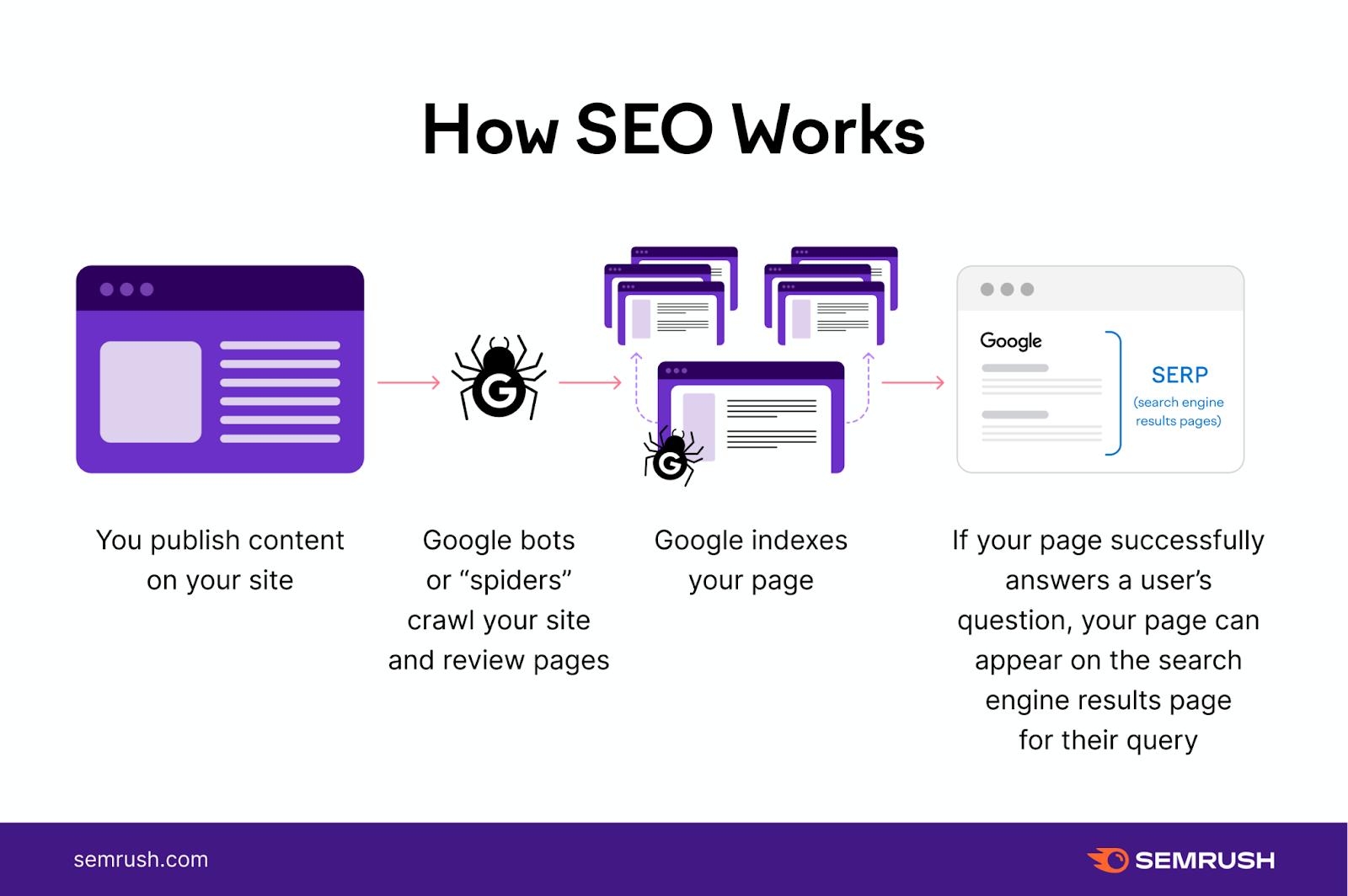
How SEO works
Search engines discover pages, analyse their content and decide how relevant and useful they may be for particular searches. Their systems consider many signals, including the words on a page, links between pages, website performance and how well a page meets a searcher’s needs.
There is no reliable way to guarantee a particular ranking. Search results can change, and SEO usually takes time. The aim should be to build a website that genuinely serves its audience rather than trying to manipulate search engines.
Start with your audience and keywords
Good SEO begins with understanding what potential visitors want to find. Research the questions they ask, the problems they need to solve and the language they use. Search terms can help you identify these needs, but they should guide your content rather than dictate awkward writing.
- Choose a clear main topic for each important page.
- Use relevant search phrases naturally in titles, headings and page copy.
- Consider the purpose behind a search, such as learning, comparing or buying.
- Avoid creating several pages that compete to answer the same question.
Create useful, original content
Content should answer the reader’s question clearly and accurately. Provide practical detail, explain unfamiliar terms and keep information up to date. A longer page is not automatically better; it should be as detailed as the subject and audience require.
Use descriptive headings to organise the page and make it easier to scan. Add images, examples or other media where they help explain the subject, and include meaningful alternative text for images that convey important information.
Improve on-page SEO
On-page SEO covers the elements that can be improved directly on a web page. These details help visitors and search engines understand what the page is about.
- Page titles: Write a distinct, accurate title for each important page.
- Meta descriptions: Summarise the page clearly. They may appear in search results, although search engines can choose different text.
- Headings: Use a logical heading structure, with one clear main heading and useful subheadings.
- Links: Link to related pages using descriptive wording so visitors know what to expect.
- URLs: Keep addresses readable and relevant to the page.
Take care of technical SEO
Technical SEO helps search engines access and interpret a website. It also supports a smoother experience for visitors. Check that important pages can be crawled and indexed, fix broken links, and use a secure connection. A sitemap can help search engines discover pages, while a robots.txt file should be configured carefully so that useful content is not accidentally blocked.
Website performance matters too. Pages should load promptly and work well on mobile devices. Avoid intrusive design choices that make content difficult to read or use, and check that navigation is clear and accessible.
Build trust and earn relevant links
Links from other websites can help people discover your content and may contribute to search visibility. Focus on earning relevant links by publishing useful resources, sharing original research and building genuine relationships within your industry. Avoid buying links or taking part in schemes designed to manipulate rankings, as these can put a website at risk.
Trust is also supported by accurate information about your organisation, clear contact details and appropriate evidence for claims. For topics that can affect people’s finances, health or safety, accuracy and expertise are especially important.
Measure progress and keep improving
SEO is an ongoing process. Use analytics and search performance tools to monitor organic visits, search impressions, clicks and enquiries or sales. Look at results over time rather than judging a strategy by a brief rise or fall in rankings.
When a page is not performing as expected, review whether it answers the intended question, offers something useful and can be accessed easily. Update it when facts change, and avoid making changes solely to chase every fluctuation in search results.
Conclusion
Search engine optimization is best treated as a long-term investment in the quality and discoverability of a website. Understand your audience, publish helpful content, maintain a sound technical foundation and measure what matters to your organisation. Consistent, user-focused improvements are more sustainable than shortcuts or keyword stuffing.
7 Key Advantages of Search Engine Optimisation: Boosting Visibility and Trust While Reducing Costs
- Improves visibility in search results.
- Attracts relevant website visitors.
- Helps potential customers find your services.
- Builds trust and credibility.
- Enhances website usability.
- Supports long-term organic growth.
- Can reduce reliance on paid advertising.
Challenges in Search Engine Optimisation: Understanding the Drawbacks of SEO
- SEO can take months to show results.
- Search algorithms change frequently.
- Rankings are never guaranteed.
- Competition for popular keywords is intense.
- Technical improvements can require specialist skills.
- Poor SEO tactics can harm your website’s visibility.
Improves visibility in search results.
Search engine optimisation can improve a website’s visibility in search results, making it easier for potential customers to find relevant products, services or information. By creating useful content and ensuring pages are clear, accessible and technically sound, a business may increase its chances of appearing for searches that matter to its audience. Greater visibility can lead to more relevant visits and help build awareness of the brand over time.
Attracts relevant website visitors.
Search engine optimization helps attract relevant website visitors by making your pages easier to find when people search for products, services or information you offer. By targeting suitable search terms and creating useful, focused content, you can reach users who are already interested in what your business provides. This can lead to more meaningful visits, stronger engagement and a greater chance of enquiries or sales.
Helps potential customers find your services.
Effective search engine optimisation helps potential customers find your services when they search online for solutions you provide. By improving your website’s visibility for relevant search terms, you can connect with people who are already interested in what your business offers and make it easier for them to learn more or get in touch.
Builds trust and credibility.
A well-optimised website can help build trust and credibility by making useful, accurate information easy to find. Clear page titles, helpful content, secure browsing and a smooth experience show visitors that a business takes its online presence seriously. Appearing prominently in relevant search results can also increase familiarity with a brand, helping potential customers feel more confident as they explore its products or services.
Enhances website usability.
Effective search engine optimisation can enhance website usability by encouraging clear navigation, well-organised content and faster-loading pages. These improvements make it easier for visitors to find the information they need, whether they are browsing on a computer or a mobile device. A website that is simple to use can keep people engaged for longer and help them feel more confident about taking the next step.
Supports long-term organic growth.
Search engine optimisation supports long-term organic growth by helping a website become more visible to people actively searching for relevant information, products or services. Unlike paid advertising, which typically stops generating visits when the budget runs out, strong SEO can continue attracting organic traffic over time. By regularly publishing useful content, improving the user experience and maintaining the site’s technical health, businesses can build lasting visibility, reach new audiences and create a more sustainable source of potential customers.
Can reduce reliance on paid advertising.
Search engine optimisation can reduce reliance on paid advertising by helping a website attract visitors through unpaid search results. As useful pages gain visibility for relevant searches, they may continue to bring in potential customers without requiring a payment for every click. SEO takes time and ongoing effort, and paid advertising can still play a valuable role, but a strong organic presence can provide a more sustainable source of traffic over the long term.
SEO can take months to show results.
One drawback of search engine optimisation (SEO) is that it can take months to show noticeable results. Search engines need time to discover and assess website changes, while competition and frequent updates to search algorithms can also affect progress. This means businesses may need to invest in content and technical improvements for some time before seeing more traffic or enquiries, so SEO is often better suited to a long-term strategy than an immediate fix.
Search algorithms change frequently.
One drawback of search engine optimisation is that search algorithms change frequently. A website’s rankings and traffic can shift when search engines update how they assess content, links or user experience, even if the site itself has not changed. Businesses therefore need to monitor performance and adapt their SEO approach regularly, which can require ongoing time, expertise and investment.
Rankings are never guaranteed.
One drawback of search engine optimisation is that rankings are never guaranteed. Search engines regularly update their algorithms, and competitors may improve their own websites, so a page’s position can rise or fall over time. Even a well-planned SEO strategy cannot promise a specific ranking or a set amount of traffic. It is therefore important to treat SEO as a long-term investment, monitor results and focus on providing useful content rather than relying on a guaranteed position in search results.
Competition for popular keywords is intense.
Competition for popular keywords can be intense, making it difficult for a website to stand out in search results. Established brands may have greater authority, larger budgets and more content, so smaller businesses can struggle to earn prominent rankings. Instead of targeting only broad, highly competitive terms, consider focusing on more specific search phrases that closely match your audience’s needs. These may attract fewer searches, but they can bring more relevant visitors and offer a more realistic opportunity to gain visibility.
Technical improvements can require specialist skills.
Technical SEO improvements can require specialist skills, particularly when they involve website code, server settings, site architecture or structured data. Without the right expertise, changes may be difficult to implement or could accidentally affect site performance, accessibility or search visibility. Businesses may therefore need to invest in training or seek help from a qualified developer or SEO professional.
Poor SEO tactics can harm your website’s visibility.
Poor SEO tactics can damage your website’s visibility rather than improve it. Practices such as keyword stuffing, buying low-quality links or publishing duplicate content may make a site appear manipulative and can lead to lower rankings or search engine penalties. These shortcuts can also undermine visitors’ trust and make your pages less useful. A safer approach is to follow search engine guidelines and focus on relevant, high-quality content and a positive user experience.



Leave a Comment