
SEO for Small Businesses: A Practical Guide to Getting Found Online
SEO for Small Businesses: A Practical Guide
For a small business, being easy to find online can make a real difference. Search engine optimisation (SEO) helps your website appear in relevant search results, so potential customers can discover your products or services when they need them.
SEO is not an overnight fix, and no reputable provider can guarantee a particular ranking. But with consistent effort, a clear strategy and useful content, small businesses can build a stronger presence in search and attract more relevant visitors.
What is SEO?
SEO is the process of improving a website so search engines can understand its content and people can find it more easily. It involves several areas, including the technical health of your website, the quality of its content, and the information that helps search engines understand your business.
For local businesses, SEO also includes improving visibility in location-based searches, such as “plumber in Bristol” or “independent bookshop near me”.
Why does SEO matter for small businesses?
Many people begin their search for a product or service online. Appearing in relevant search results can help your business reach potential customers who are already looking for what you offer. SEO can also support other marketing activity by making your website clearer, more useful and easier to navigate.
Unlike paid advertising, organic search traffic does not depend on paying for every click. However, SEO still requires time and investment, and results can take months to develop. The right approach depends on your market, website and goals.
How to get started with small business SEO
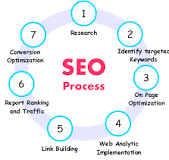
Understand what your customers search for
Think about the words and questions people use when looking for your products or services. Consider what they need, where they are based and what problems they want to solve. Keyword research tools can help, but speaking to customers and reviewing their common questions can be just as valuable.
Focus on search terms that match your business and the pages you can create. A specific phrase such as “accountant for sole traders in Leeds” may be more useful than a broad term such as “accountant”, particularly for a locally focused business.
Make your website useful and clear
Each important service or product should have a page that explains what you offer, who it is for and how customers can take the next step. Use straightforward language, descriptive headings and clear calls to action. Avoid creating pages that repeat the same information simply to target different search terms.
Useful content should answer real customer questions. For example, a gardening business might explain how to prepare a garden for winter, while a solicitor could outline the steps involved in a common legal process.
Improve your local presence
If you serve customers in a particular area, keep your business name, address and telephone number accurate and consistent wherever they appear online. Create or update your Google Business Profile, choose relevant categories and add current opening hours, photographs and service details.
Encourage satisfied customers to leave honest reviews, and respond to feedback professionally. Reviews can help people assess your business, although they do not guarantee higher search rankings.
Check the technical basics
Your website should work well on mobile devices, load promptly and be easy to navigate. Make sure important pages can be accessed by search engines, use secure HTTPS, and fix broken links where possible. A simple, well-organised site is often easier for both visitors and search engines to understand.
If you use a content management system, keep its software, themes and extensions up to date. For technical issues you are unsure about, consider asking a qualified web developer for help.
Build credibility over time
Links from relevant, trustworthy websites can help people discover your business and provide useful context about your site. You might earn them through local partnerships, industry directories, useful resources or community involvement.
Avoid buying large numbers of low-quality links or taking part in schemes designed to manipulate rankings. These tactics can put your website at risk and rarely provide lasting value.
Measure what is working
Use tools such as Google Search Console and website analytics to monitor your performance. Useful measures include the search queries bringing people to your site, visits to key pages, enquiries, phone calls and sales. Rankings can fluctuate, so assess progress over time rather than reacting to every short-term change.
Set realistic goals. A local service business might focus on relevant enquiries from its service area, while an online shop may track product-page visits and completed purchases.
Common SEO mistakes to avoid
- Repeating keywords unnaturally throughout a page.
- Publishing thin or copied content that offers little value.
- Creating multiple pages with nearly identical information.
- Ignoring mobile usability and website performance.
- Expecting immediate results or guaranteed rankings.
- Making website changes without checking whether they affect important pages.
Should a small business hire an SEO specialist?
You can manage many SEO basics yourself, especially if your website is small and your needs are straightforward. An SEO specialist may be useful when you need technical support, have a highly competitive market or lack the time to plan and maintain your strategy.
Before hiring a provider, ask what work they will carry out, how they will report progress and how their recommendations support your business goals. Be cautious of anyone promising instant results, secret methods or guaranteed first-place rankings.
Conclusion
SEO for small businesses is about helping the right people find and trust your business online. Start with a useful, well-organised website, understand what your customers are searching for and keep your business information accurate. Measure meaningful outcomes, make improvements steadily and give your strategy time to develop.
Essential SEO FAQs for Small Businesses: A Comprehensive Guide
- What is SEO and how it works for small businesses?
- How to do local SEO for small businesses?
- How many small businesses use SEO?
- What is the 80/20 rule in SEO?
- How much should SEO cost for a small business?
- What is the best SEO for a small business?
- Do small businesses need SEO?
- Does SEO work for small businesses?
- How to optimize SEO for small business?
What is SEO and how it works for small businesses?
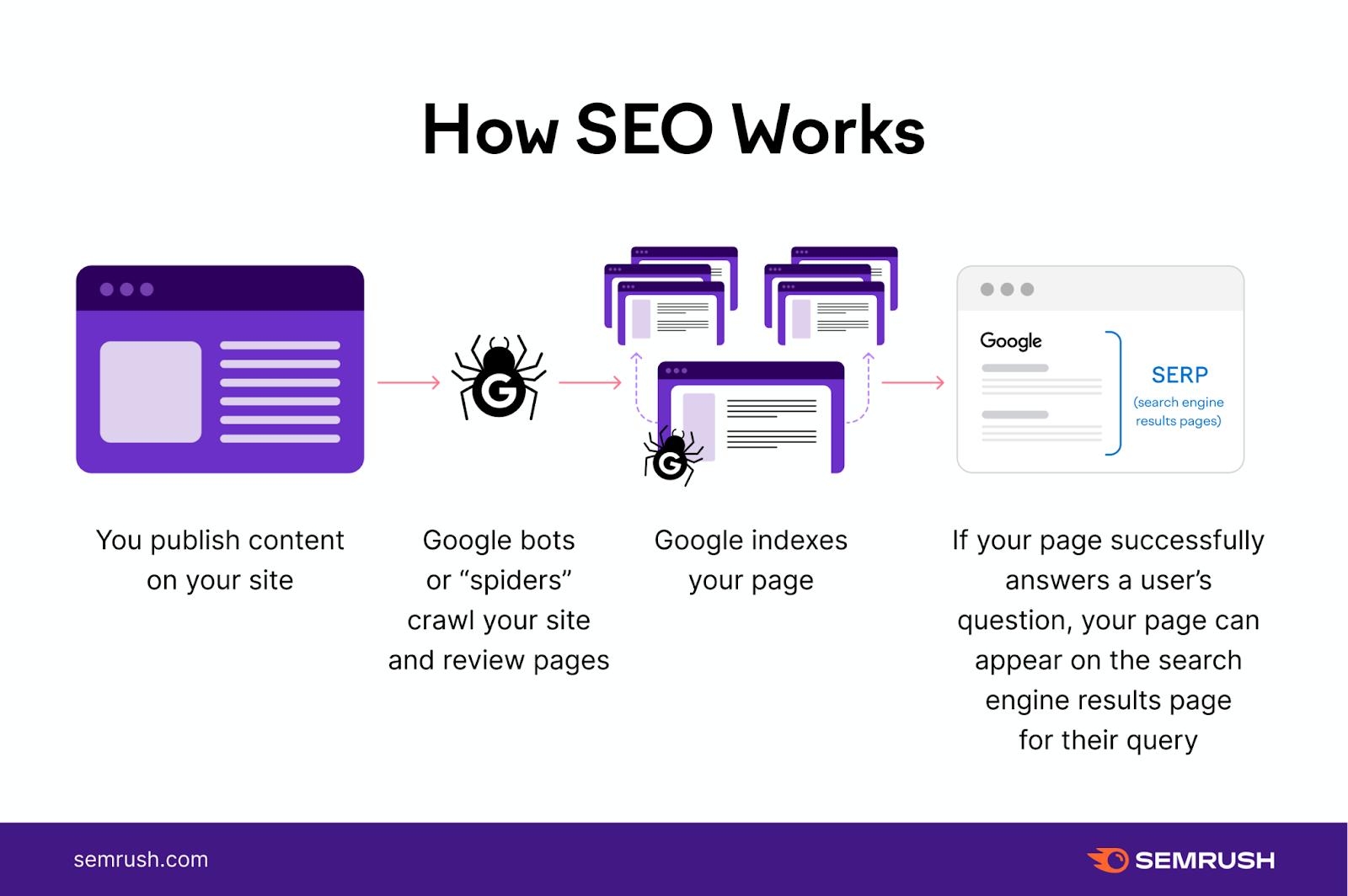
SEO, or search engine optimisation, is the process of improving a website so it is easier for search engines and potential customers to find and understand. For small businesses, this can include creating helpful content around the services customers are searching for, making the website fast and mobile-friendly, and keeping local business details accurate across online listings. Search engines use automated systems to discover and index pages, then assess which are most relevant to each search. SEO helps your pages provide clear, useful information and build credibility, increasing the chance of appearing in relevant results over time. It is an ongoing process, and results depend on factors such as competition, your website and the quality of your work.
How to do local SEO for small businesses?
To improve local SEO, start by claiming and completing your Google Business Profile with accurate contact details, opening hours, services and photos. Keep your business name, address and phone number consistent across your website and reputable online directories, and encourage customers to leave honest reviews. Include the towns or areas you serve naturally in relevant website pages, such as service descriptions, and make sure your site works well on mobile. You can also build local visibility through community partnerships and links from relevant local organisations. Track calls, enquiries and website visits to see which efforts are bringing in potential customers.
How many small businesses use SEO?
There is no single, reliable figure for how many small businesses use SEO, as surveys define both “small business” and “using SEO” differently. Some businesses actively invest in SEO or hire specialists, while many do it informally by updating their website, creating useful content or managing a Google Business Profile. The key point is that SEO is widely used to help small businesses improve their online visibility, particularly in local search.
What is the 80/20 rule in SEO?
The 80/20 rule in SEO is the idea that a relatively small share of your work may generate most of your results—for example, a few key pages, search terms or improvements could drive much of your website traffic or enquiries. It is a useful way for small businesses to prioritise: focus first on pages that attract potential customers, fix issues that prevent search engines or visitors using your site, and improve content that already shows promise. The 80/20 split is only a rule of thumb, not a guaranteed formula, so use your own performance data to decide what deserves attention.
How much should SEO cost for a small business?
The cost of SEO for a small business in the UK depends on your goals, competition, website and the amount of work required. A modest local campaign may cost a few hundred pounds a month, while more competitive markets or broader campaigns can require considerably more. One-off audits and consultancy are also available. Compare providers by the work included, their reporting and how their plan supports your business goals, rather than choosing on price alone. Be wary of guaranteed rankings or promises of instant results.
What is the best SEO for a small business?
The best SEO for a small business is a focused strategy that helps nearby or relevant customers find useful, accurate information about your products or services. Start by making your website mobile-friendly, fast and easy to navigate, then create clear pages around the services and search terms your customers use. If you serve a local area, keep your Google Business Profile and contact details up to date, and encourage genuine customer reviews. Track enquiries and sales as well as search traffic, and improve your approach over time—SEO takes consistency, and no provider can guarantee specific rankings.
Do small businesses need SEO?
Yes, SEO can benefit small businesses by helping potential customers find their products or services through search engines. It is particularly useful for reaching people searching locally or looking for a specific solution. SEO does take time and ongoing effort, so the right level of investment depends on your goals, audience and competition; even simple steps, such as creating helpful website content and keeping your business details accurate, can improve your online visibility.
Does SEO work for small businesses?
Yes, SEO can work very well for small businesses by helping potential customers find their products or services through relevant search results, including local searches. Results take time and depend on factors such as competition, website quality and consistency, so rankings or sales cannot be guaranteed. A focused strategy—covering helpful website content, accurate local business listings and a technically sound, mobile-friendly website—can build visibility and attract more relevant visitors over time.
How to optimize SEO for small business?
To optimise SEO for a small business, start by researching the terms your potential customers use and create helpful pages that answer their needs. Make sure each page has a clear title, descriptive headings and useful content, and that your website is mobile-friendly, secure and quick to load. If you serve a local area, keep your business details accurate across the web and update your Google Business Profile. Track website visits, enquiries and sales with tools such as Google Search Console, then refine your approach over time—SEO usually takes consistent effort rather than delivering instant results.





Leave a Comment