
Local Keyword Rank Tracking: A Practical Guide for UK Businesses
Local Keyword Rank Tracking: A Practical Guide for UK Businesses
For a local business, appearing in search results when nearby customers are looking for a service can make a real difference. A plumber in Leeds, a café in Bristol and a solicitor in Glasgow may all want to rank for relevant searches, but their visibility depends on where the search takes place as well as what someone types.
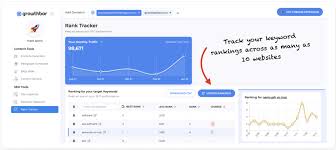
Local keyword rank tracking helps businesses monitor how prominently their website and Google Business Profile appear for searches in specific locations. Used thoughtfully, it can show where a business is visible, where it has room to improve and whether its local SEO work is having an impact.
What is local keyword rank tracking?
Local keyword rank tracking is the process of checking a website’s position in search results for particular search terms in defined areas. These terms often include a product or service alongside a location, such as “family dentist in Cardiff” or “emergency electrician near me”.
Unlike a general ranking check, local tracking takes geography into account. Search results can vary by town, neighbourhood, postcode or even the searcher’s immediate location. Someone searching for “coffee shop” in central Manchester is likely to see different businesses from someone making the same search in Salford.
Local results can also appear in different formats. A search may show standard organic listings, a local map pack, Google Maps results or a mix of these. Tracking only one type of result gives an incomplete picture of local visibility.
Why local rankings vary
Search engines use a range of signals to decide which results to show. For local searches, these can include the relevance of a business to the query, its distance from the searcher and how prominent or well-established it appears online.
As a result, there is no single local ranking that applies to every potential customer. Rankings may differ between nearby areas, and they can change as search engines update their results or as competitors improve their online presence. A business might rank well in one part of a city but be less visible a few miles away.
Choose keywords that reflect real customer searches
Effective tracking starts with a useful keyword list. Focus on phrases that describe the services or products a business actually offers and that people are likely to use when they are ready to enquire or buy.
- Service searches: “boiler repair”, “wedding photographer” or “solicitor for conveyancing”.
- Location-based searches: “boiler repair in Reading” or “wedding photographer in Kent”.
- Near-me searches: “pharmacy near me” or “car servicing near me”.
- Specific service searches: “same-day boiler repair in Reading” or “commercial property solicitor in Bristol”.
- Brand searches: the business name and variations of it.
It is not necessary to track every possible phrase. A focused set of relevant keywords is generally more useful than a long list of terms that attract little interest or do not match the business’s services. Consider search intent, too: someone searching for “how to fix a leaking tap” may want advice, while someone searching for “emergency plumber in York” is more likely to need a local service.
Track rankings by location
For a single-location business, tracking the town or service area may be enough to get started. Businesses serving a larger city or several nearby towns may benefit from checking visibility in multiple areas. A multi-location organisation should usually track each branch separately, using the areas that are genuinely relevant to that location.
Use a consistent set of locations over time so that comparisons are meaningful. Depending on the business, this could mean choosing a central point, a set of postcodes or a grid of locations across a service area. Avoid claiming to serve places that the business cannot realistically reach simply to target extra searches.
Measure map results and organic results separately
Local SEO can influence more than one type of search result, so keep different result types distinct in reports:
- Map pack visibility: whether a business appears in the prominent local map results.
- Google Maps visibility: how the business appears when someone searches within Maps.
- Organic rankings: the position of the business’s website in standard search results.
These positions do not always move together. A business could appear in the map pack but rank lower in the standard organic listings, or vice versa. Separate tracking makes it easier to identify which part of the local presence needs attention.
How to track local keyword rankings
- Set a baseline. Record current rankings for a small group of priority keywords across the locations that matter.
- Use a consistent method. Search results can be personalised by location, device and previous activity. A local rank-tracking tool can help provide more consistent location-based checks than occasional manual searches.
- Check the right result types. Track map and organic visibility separately where possible.
- Review trends, not isolated changes. Rankings naturally fluctuate. Compare performance over several weeks or months rather than reacting to one day’s movement.
- Connect rankings to business outcomes. Compare search visibility with website visits, calls, direction requests, bookings and enquiries.
Google Search Console can help assess how a website performs in Google Search, including impressions, clicks and average position for queries. Google Business Profile performance data can provide insight into how customers discover and interact with a profile. Dedicated local SEO platforms may offer more detailed tracking by location and search feature. Each source measures performance differently, so use consistent methods when making comparisons.
Rankings are useful, but they are not the whole story
A ranking report can show whether a business is becoming more or less visible for selected searches. It cannot, on its own, tell you whether that visibility is bringing in the right customers. A top position for an irrelevant phrase may be less valuable than a lower position for a search that leads to enquiries.
Consider rankings alongside:
- Organic clicks and impressions
- Visits to relevant service or location pages
- Calls, bookings, purchases and enquiry forms
- Google Business Profile interactions, such as calls and requests for directions
- Conversion rates and the quality of enquiries
These measures help put ranking changes into context. If visibility improves but enquiries do not, the issue may lie with the search intent, the landing page, the offer or the ease of contacting the business.
Common local rank-tracking mistakes
- Checking only from one location: a single search from an office computer does not represent visibility across an entire service area.
- Relying on manual searches: personalisation and location settings can make results inconsistent.
- Tracking too many keywords: a large list can obscure the searches that matter most.
- Combining map and organic positions: these are different search features and should be reported separately.
- Reacting to daily fluctuations: short-term movement does not necessarily indicate a lasting change.
- Focusing on rank alone: visibility matters most when it reaches relevant customers and supports business goals.
Turn tracking into action
Local rank tracking is most valuable when it informs practical improvements. If a business is underperforming for a relevant service, check whether its website clearly explains that service and provides useful information for customers. Make sure important pages are easy to navigate, work well on mobile devices and include accurate contact details.
For map visibility, review the accuracy and completeness of the Google Business Profile, including its categories, opening hours, services and contact information. Consistent business details across trusted directories and genuine customer reviews can also support a strong local presence. Avoid tactics such as adding inaccurate locations or using misleading business information; they can damage trust and may put a profile at risk.
For businesses with multiple branches, make sure each location has accurate information and a clear page on the website where appropriate. The page should help customers understand what is available at that branch rather than simply repeating the same text with a different town name.
How often should rankings be checked?
There is no universal schedule. Many businesses find that monthly reviews are sufficient for understanding longer-term trends, while more frequent checks can be useful during a campaign, after a major website change or when investigating a sudden visibility shift. Whatever the frequency, keep the tracking settings consistent and allow enough time to distinguish a lasting trend from normal fluctuation.
Conclusion
Local keyword rank tracking provides a clearer view of how a business appears in search results across the places it serves. By selecting relevant keywords, checking multiple locations, separating map and organic results, and comparing rankings with customer actions, businesses can make better-informed local SEO decisions.
The goal is not simply to reach a particular position. It is to become more visible to the right people in the right areas and make it easy for them to choose and contact the business.
9 Tips for Accurate Local Keyword Rank Tracking
- Track rankings from the exact locations your customers search in.
- Use a location grid to spot neighbourhood-level differences.
- Monitor Google Maps and organic results separately.
- Track mobile rankings, where many local searches happen.
- Include local phrases such as service and town combinations.
- Check rankings regularly on a consistent schedule.
- Compare your visibility with nearby competitors.
- Record changes to your website and listings for context.
- Prioritise keywords that bring relevant local enquiries.
Track rankings from the exact locations your customers search in.
Track rankings from the exact locations your customers search in, rather than relying on a single check from your office or business address. Local results can vary significantly between towns, neighbourhoods and postcodes, so a ranking that looks strong in one area may not reflect your visibility elsewhere. Choose locations that match your genuine service area and check them consistently over time. This gives you a more realistic picture of where potential customers can find you and helps highlight areas where your local SEO could improve.
Use a location grid to spot neighbourhood-level differences.
Use a location grid to see how your rankings vary across a town or service area, rather than relying on a single search point. By checking the same keywords at several locations, you can spot neighbourhoods where your business is highly visible and areas where it may be harder for local customers to find you. These patterns can help guide practical improvements, such as refining location pages, strengthening your Google Business Profile or building awareness in underserved areas. Ensure the grid reflects places you genuinely serve, and review changes over time rather than reacting to one-off ranking fluctuations.
Monitor Google Maps and organic results separately.
Monitor Google Maps and organic results separately, as they appear in different parts of search and can perform quite differently. A business may show prominently in the local map pack but rank lower in standard website listings, or the other way round. Tracking each separately helps you see where your local visibility is strongest and where improvements may be needed, while giving you a clearer picture of how potential customers find your business.
Track mobile rankings, where many local searches happen.
Track mobile rankings as well as desktop positions, as many local searches are made on smartphones, often by people looking for a nearby service while on the move. Mobile results can differ from desktop results because of the searcher’s location, device and the way results are displayed. Checking visibility on mobile helps you understand whether your business appears where local customers are most likely to find it.
Include local phrases such as service and town combinations.
Include local phrases that combine your service with the town or area you serve, such as “plumber in York” or “accountant in Cardiff”. These terms reflect how nearby customers often search and help you assess visibility in the places that matter to your business. Choose locations you genuinely serve, and track each phrase consistently so you can spot changes in local search performance over time.
Check rankings regularly on a consistent schedule.
Check your local keyword rankings regularly and on a consistent schedule, such as once a week or once a month. Search results can fluctuate, so checking at predictable intervals makes it easier to spot meaningful trends rather than react to a temporary change. Use the same keywords, locations and tracking method each time, then compare results over several checks to see whether your local SEO efforts are improving visibility.
Compare your visibility with nearby competitors.
Compare your local search visibility with that of nearby competitors to see where you are performing well and where there may be opportunities to improve. Track the same relevant keywords across the same locations, and note which businesses appear in map results and organic listings. Look for patterns in their online presence, such as well-developed service pages, complete business profiles or a strong collection of customer reviews. Use these observations to guide your own improvements, rather than copying competitors or focusing on rankings alone.
Record changes to your website and listings for context.
Record any changes made to your website or local listings alongside your ranking data. Updates to page content, titles, business categories, opening hours or contact details can all affect local visibility, so noting when they happen makes it easier to understand why rankings have changed. This context also helps you assess which updates have made a positive difference and avoid attributing normal fluctuations to the wrong cause.
Prioritise keywords that bring relevant local enquiries.
Prioritise keywords that are likely to bring relevant local enquiries, rather than tracking every phrase with a high search volume. Focus on searches that reflect the services you offer and the areas you genuinely serve, such as “emergency plumber in Leeds” or “family solicitor near Bath”. These specific terms may attract fewer searches, but they’re more likely to come from people ready to contact a local business. Review rankings alongside calls, bookings and form submissions to see which keywords are delivering meaningful results.








Leave a Comment