

What Does a Search Engine Optimisation Specialist Do?
What Does a Search Engine Optimisation Specialist Do?
A search engine optimisation specialist helps businesses improve their visibility in search engine results. By making a website easier to find, understand and use, they can help attract more relevant visitors and support long-term online growth.
Search engine optimisation (SEO) is not a one-off task. Search engines update their systems, competitors change their strategies and customers’ needs evolve. An SEO specialist combines research, technical knowledge and ongoing analysis to help a website adapt.
What Is a Search Engine Optimisation Specialist?
An SEO specialist plans and carries out activities designed to improve a website’s performance in organic search results. Organic results are the unpaid listings that appear in response to a search query.
The role can cover a wide range of work, from researching what potential customers are searching for to identifying technical problems that prevent search engines from accessing a site. Some specialists focus on particular areas, such as technical SEO, content or local search, while others provide a broader service.
Key Responsibilities
Keyword and audience research
Specialists investigate the words and questions people use when looking for products, services or information. This research helps businesses understand search intent: what someone is hoping to find when they enter a query. The aim is to connect useful pages with the right audience, rather than simply adding popular keywords to a website.
On-page optimisation
On-page SEO involves improving the content and elements on individual web pages. This may include refining page titles and headings, organising information clearly, adding descriptive image text and making sure the content answers visitors’ questions. Good optimisation should help both readers and search engines understand what a page is about.
Technical SEO
Technical SEO focuses on how a website is built and accessed. An SEO specialist may review page speed, mobile usability, site structure, broken links, indexing and other technical factors. They may work with developers to resolve issues and make it easier for search engines to discover and interpret important pages.
Content planning
Content is central to effective SEO. A specialist can identify gaps in a website’s information, recommend new topics and help shape a content plan around audience needs. The goal is to publish accurate, original and useful material—not content created solely to manipulate rankings.
Link and reputation analysis
Links from other websites can help search engines understand a site’s relevance and reputation. Specialists may analyse a website’s existing backlink profile and identify appropriate opportunities to earn genuine links, for example through useful resources, partnerships or digital public relations. Buying or acquiring links through manipulative schemes can create risks and should be treated with caution.
Measurement and reporting
SEO specialists monitor performance using analytics and search tools. They may report on organic traffic, search visibility, rankings, enquiries, sales and other business goals. Regular measurement helps show what is working, where improvements are needed and how SEO contributes to wider objectives.
Why Hire an SEO Specialist?
SEO can be complex, particularly for businesses with large websites, competitive markets or limited in-house resources. A specialist brings focused experience and can help prioritise work that is likely to make a meaningful difference.
Working with an SEO specialist may help a business to:
- Improve its visibility for relevant searches
- Identify technical issues affecting its website
- Understand the questions and needs of its audience
- Plan content more effectively
- Measure organic search performance against business goals
- Make informed decisions about future website improvements
SEO usually takes time. Results depend on factors such as a website’s current condition, the level of competition, the quality of implementation and how search behaviour changes. A trustworthy specialist will explain this clearly and avoid promising guaranteed rankings or instant results.
What to Look for in an SEO Specialist
Choosing an SEO specialist involves more than comparing prices. Look for someone who takes the time to understand your business, customers and objectives. They should be able to explain their recommendations in plain English and show how proposed work relates to your goals.
Useful questions to ask include:
- How will you assess the website and decide what to prioritise?
- Which activities will you carry out, and which will require our input?
- How will you measure progress and report on results?
- Can you explain the risks and limitations of your approach?
- Have you worked with businesses facing similar challenges?
Be cautious of anyone promising a guaranteed position at the top of search results, claiming to have a special relationship with a search engine or refusing to explain their methods. Ethical SEO focuses on sustainable improvements and follows search engine guidance.
SEO as an Ongoing Process
A search engine optimisation specialist does more than try to improve rankings. They help make a website more useful, accessible and relevant to the people it is intended to serve. Through research, technical improvements, strong content and careful measurement, SEO can become a valuable part of a business’s wider digital strategy.
9 Essential Tips for Mastering Search Engine Optimisation
- Learn how search engines crawl and rank pages.
- Research keywords that match user intent.
- Write clear, useful, original content.
- Improve page titles and meta descriptions.
- Make websites fast and mobile-friendly.
- Use descriptive headings and internal links.
- Earn trustworthy backlinks ethically.
- Track rankings, traffic and conversions.
- Keep up with search engine updates.
Learn how search engines crawl and rank pages.
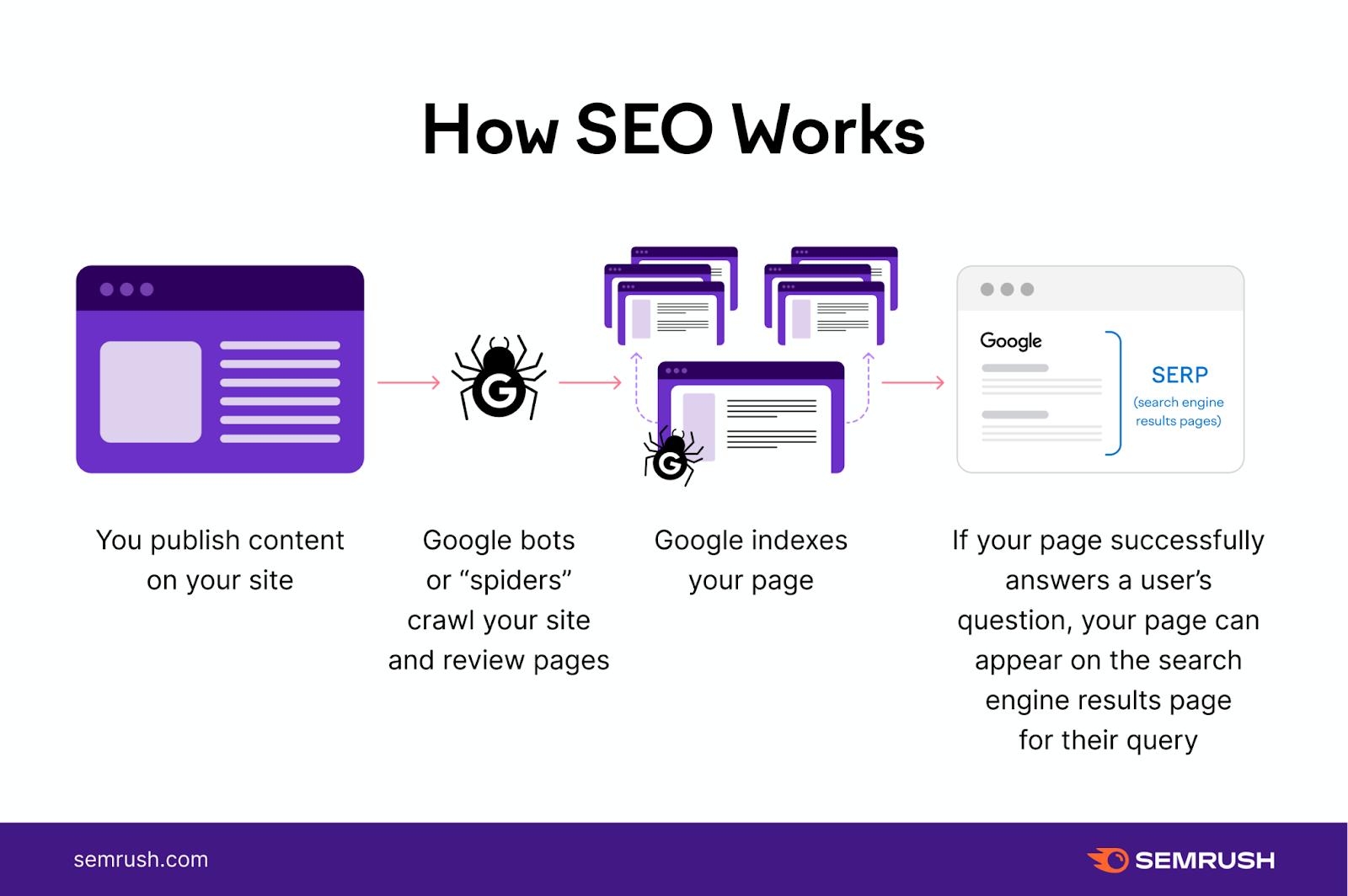
A search engine optimisation specialist should understand how search engines discover, crawl and index web pages, and the many signals they use to rank results. This knowledge helps identify issues that may prevent important pages from being found, such as broken links, poor site structure or accidental indexing blocks. It also informs practical improvements to a website’s content and technical setup. Search algorithms change over time, so specialists should keep learning and focus on clear, useful pages that meet visitors’ needs rather than relying on ranking tricks.
Research keywords that match user intent.
A search engine optimisation specialist should research keywords that reflect user intent: the reason behind a person’s search. Someone looking for general advice may need an informative guide, while someone comparing providers or ready to buy is likely to want service details, reviews or pricing. Understanding these differences helps you create content that answers the right questions and matches each stage of the customer journey. Use keyword research tools alongside search results and customer enquiries to identify relevant phrases, then organise them naturally within useful, clearly structured pages.
Write clear, useful, original content.
A search engine optimisation specialist should create clear, useful and original content that genuinely helps its intended audience. Each page should address a real question or need, use straightforward language and organise information so it is easy to read. Rather than repeating keywords or reworking other websites’ material, offer accurate insights and a distinctive perspective. This builds trust with readers and helps search engines understand the page’s value.
Improve page titles and meta descriptions.
A search engine optimisation specialist can improve page titles and meta descriptions to make each page’s purpose clear and encourage people to click through from search results. Write a unique, accurate title that includes the page’s main topic, and a concise description that highlights what visitors will find or gain. These elements should read naturally, reflect the page content and appeal to people—not be crammed with keywords. Although meta descriptions do not directly determine rankings, a useful description can help your result stand out and attract relevant visitors.
Make websites fast and mobile-friendly.
A search engine optimisation specialist helps make websites fast and mobile-friendly so visitors can find information easily on any device. This may involve improving page loading times, compressing images, simplifying layouts and checking that buttons and text work well on smaller screens. A smooth mobile experience can keep visitors engaged and make it easier for them to take action, while also supporting a website’s performance in search results.
Use descriptive headings and internal links.
Use descriptive headings and internal links to make your website easier to navigate for both visitors and search engines. Clear headings help readers scan a page and understand how its information is organised, while relevant internal links guide them to related content and help search engines discover the connections between your pages. Choose concise headings that accurately describe each section, and use natural link text that explains what readers will find when they click.
Earn trustworthy backlinks ethically.
Earn trustworthy backlinks ethically by creating useful, original content that other websites genuinely want to reference. Build relationships with relevant publishers, industry organisations and businesses, and look for natural opportunities to contribute expert insights or helpful resources. Avoid buying links or using schemes designed to manipulate search rankings, as these can damage your site’s reputation and visibility.
Track rankings, traffic and conversions.
Track rankings, traffic and conversions to understand whether your SEO work is delivering meaningful results. Search rankings can show how your pages perform for relevant queries, while organic traffic reveals how many visitors arrive through unpaid search. Most importantly, monitor conversions—such as enquiries, bookings or sales—to see whether that traffic supports your business goals. Reviewing these measures regularly helps an SEO specialist identify what is working, spot areas for improvement and make informed decisions about the next steps.
Keep up with search engine updates.
A search engine optimisation specialist should keep up with search engine updates, as changes to ranking systems and guidance can affect how websites appear in search results. Following reliable industry sources and reviewing a site’s performance regularly helps specialists spot potential impacts, adjust their strategy and focus on sustainable best practice. Rather than reacting to every rumour or short-term fluctuation, they should assess verified changes carefully and make improvements that continue to serve users well.




Leave a Comment