
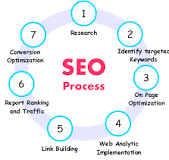
The Search Engine Optimization Process: A Practical Guide for UK Businesses
The Search Engine Optimisation Process: A Practical Guide
Search engine optimisation (SEO) is the process of improving a website so that people can find and use it more easily through search engines. It combines technical improvements, useful content and a better understanding of what potential visitors are looking for.
SEO is not a one-off task. Search engines update how they assess websites, competitors change their strategies and audience needs evolve. A sound process therefore involves research, implementation and ongoing review.
Set clear objectives
Before making changes, decide what SEO should help your organisation achieve. Objectives might include attracting more relevant visitors, generating enquiries, increasing online sales or improving visibility in a particular location.
Choose measures that relate to those objectives. Organic traffic can be useful, but it is not the only measure of success. Conversions, qualified leads, sales and engagement may give a clearer picture of whether SEO is delivering value.
Review the website
An SEO audit establishes what is working and what needs attention. It usually covers several areas:
- Technical health: whether search engines can access and understand the website, and whether pages load reliably.
- Content: whether pages are useful, accurate, original and relevant to their intended audience.
- On-page optimisation: whether page titles, headings, descriptions, links and other elements clearly describe each page.
- Authority and reputation: whether the website has earned relevant, trustworthy references from other sites.
- User experience: whether visitors can navigate the site and complete important tasks across different devices.
The audit should result in a prioritised list of actions. Fixing a serious indexing issue, for example, may be more important than adjusting minor wording on a page.
Research topics and search intent
Keyword research helps identify the words and questions people use when looking for information, products or services. The aim is not simply to collect popular search terms. It is to understand the intent behind them.
Someone searching for “how to choose running shoes” is likely seeking guidance, while someone searching for “buy trail running shoes” may be ready to purchase. These searches call for different types of pages.
Group related searches into themes and match them to suitable pages. This helps create a website structure that reflects how people explore a subject, rather than forcing every phrase into a single page.
Improve technical accessibility
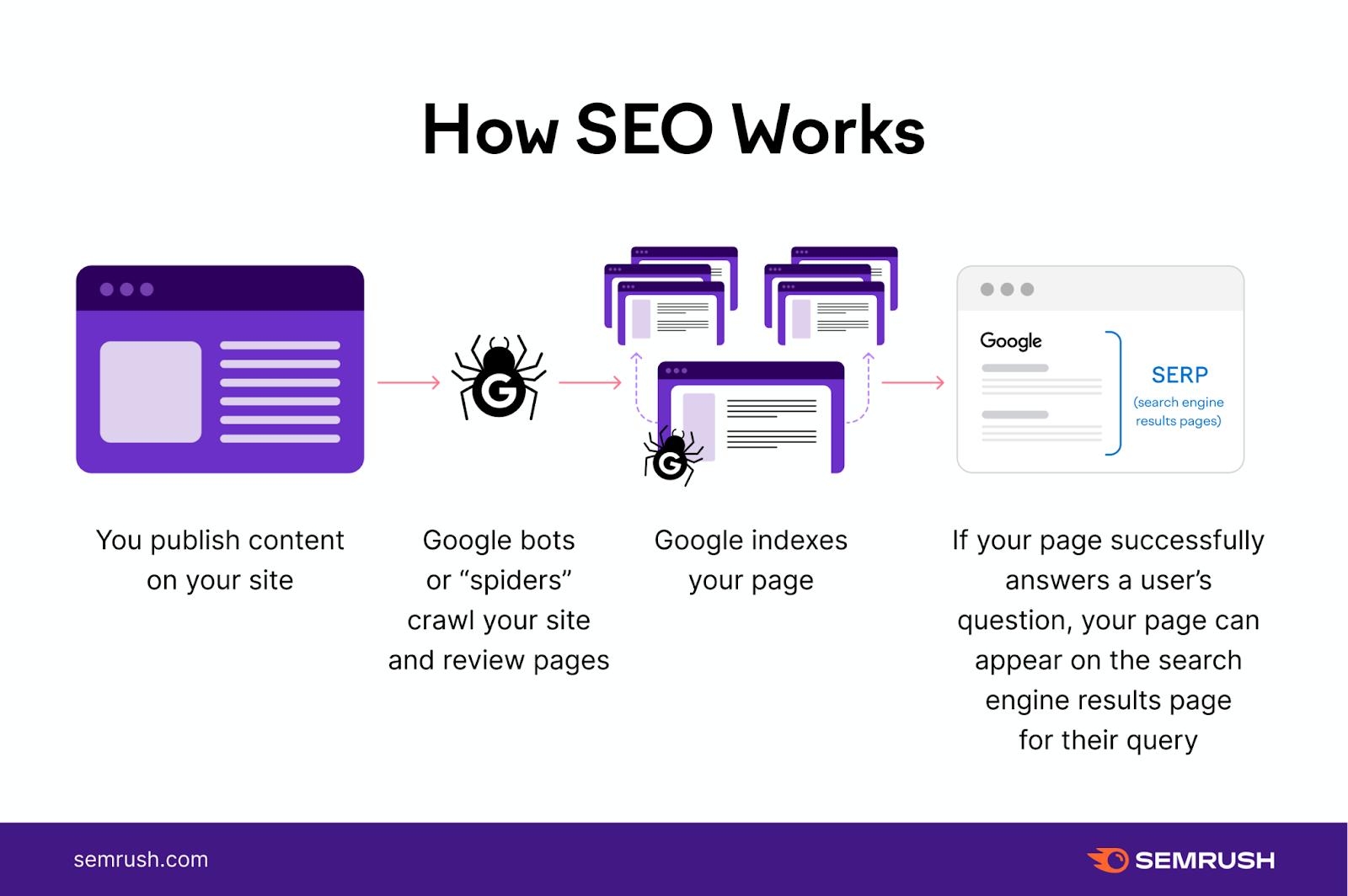
Search engines need to be able to discover, crawl and index a website’s pages. Technical SEO supports this process and can also make the site easier for visitors to use.
Common checks include:
- making sure important pages are not blocked from crawling or indexing;
- using a clear site structure and helpful internal links;
- providing an accurate XML sitemap;
- fixing broken links and redirecting outdated URLs appropriately;
- using secure HTTPS connections;
- checking mobile usability and page loading performance; and
- adding structured data where it accurately describes the content.
Technical fixes should be tested carefully, particularly when changing URLs, navigation or website templates. Poorly managed changes can make useful pages harder to find.
Create and improve useful content
Content should answer real questions and help readers make informed decisions. It might take the form of service pages, product descriptions, guides, comparisons, frequently asked questions or case studies.
For each page, clarify its purpose and intended audience. Use a descriptive page title, a clear main heading and a logical structure of subheadings. Explain the subject in plain English, include relevant details and link to related pages where it helps readers.
Existing pages may need updating rather than replacing. Check that facts, prices, examples and recommendations remain accurate. Remove or combine pages that repeat the same information, and avoid adding content solely to include more keywords.
Build relevant authority
Links from other websites can help people discover your content and may contribute to how search engines assess its reputation. The strongest approach is to earn relevant links by publishing useful resources, sharing original research, building genuine industry relationships or gaining legitimate coverage.
A large number of low-quality or manipulated links is not a substitute for a credible reputation. Avoid tactics that promise guaranteed rankings or rely on schemes designed to influence search results. Sustainable SEO is based on providing value and following search engine guidelines.
Consider local SEO
For organisations serving customers in specific areas, local SEO can be an important part of the process. Keep business name, address and contact details consistent, maintain an accurate business profile on relevant platforms, and provide clear information about locations and services.
Genuine customer reviews can help people make decisions. Encourage feedback in an appropriate way, respond professionally and never misrepresent reviews or business details.
Measure results and refine the approach
Use analytics and search performance tools to understand how people find and use the website. Review impressions, clicks, search queries, landing pages and conversions alongside technical monitoring.
Allow enough time to assess changes. SEO results can take weeks or months, and fluctuations do not always indicate a problem. Compare performance over meaningful periods and consider seasonality, website changes and wider market conditions.
Use the findings to decide what to do next. A page with strong visibility but few clicks may need a clearer search result title. A page that attracts visitors but generates few enquiries may need more relevant information or a simpler next step.
SEO is an ongoing process
The search engine optimisation process works best as a cycle: understand the audience, improve the website, publish helpful content, measure outcomes and adapt. There is no reliable shortcut to lasting results, and no responsible provider can guarantee a particular position in search results.
By setting clear objectives and making thoughtful, evidence-based improvements, organisations can make their websites easier to discover and more useful to the people they want to reach.
Maximising Online Success: The Six Key Benefits of Search Engine Optimisation
- Improves visibility in search results
- Attracts more relevant website visitors
- Helps reach people actively seeking your services
- Enhances website usability and performance
- Builds trust through useful, reliable content
- Supports measurable, long-term growth
Challenges of SEO: Time-Intensive, Unpredictable, and Resource-Heavy
- SEO can take months to show results.
- Rankings can change unexpectedly.
- Ongoing work requires time and resources.
- Results are difficult to guarantee.
- Algorithm updates may affect traffic.
Improves visibility in search results
One of the main benefits of the search engine optimisation process is improved visibility in search results. By making a website’s content, structure and technical performance more relevant to what people are searching for, SEO can help its pages appear more prominently in search engines. This makes it easier for potential customers to discover the business when they are looking for related information, products or services.
Attracts more relevant website visitors
A well-planned search engine optimisation process helps attract visitors who are actively looking for the products, services or information your website offers. By targeting relevant search terms and creating useful content that matches people’s needs, SEO can bring in more qualified visitors—people who are more likely to engage, make an enquiry or become customers.
Helps reach people actively seeking your services
SEO helps your business reach people who are already searching for the services you offer. By making your website visible for relevant search terms, you can connect with potential customers at the moment they are looking for information, comparing options or ready to make a purchase. This can attract more relevant visitors and increase the likelihood of enquiries and sales.
Enhances website usability and performance
The search engine optimisation process can enhance website usability and performance by making pages faster, easier to navigate and more accessible across different devices. Improving site structure, fixing broken links and simplifying the journey to key information helps visitors find what they need with less effort. These changes can also make it easier for search engines to crawl and understand the website, benefiting both users and visibility in search results.
Builds trust through useful, reliable content
A well-planned SEO process builds trust by helping businesses create useful, reliable content that answers people’s questions and meets their needs. When information is accurate, clearly presented and regularly reviewed, visitors are more likely to see the website as a credible source. This can strengthen a brand’s reputation, encourage people to return and support lasting relationships with potential customers.
Supports measurable, long-term growth
The search engine optimisation process supports measurable, long-term growth by helping businesses track changes in organic visibility, website visits, enquiries and sales over time. Regular analysis shows which activities are delivering results and where improvements are needed, making it easier to refine the strategy. Unlike short-term campaigns that stop when spending ends, effective SEO can continue attracting relevant visitors and supporting business growth well into the future.
SEO can take months to show results.
One drawback of the SEO process is that it can take months to show noticeable results. Search engines need time to discover and assess website changes, while improvements in rankings and organic traffic often build gradually. This can be frustrating for businesses seeking immediate returns, so it is important to set realistic expectations, track progress over time and balance SEO with marketing activities that may deliver quicker results.
Rankings can change unexpectedly.
Search engine rankings can change unexpectedly, even when a website’s content and technical setup have not changed. Search engines regularly update their systems, while competitors improve their own websites and search behaviour shifts over time. This can cause visibility and organic traffic to rise or fall, making results difficult to predict and requiring regular monitoring and ongoing adjustments.
Ongoing work requires time and resources.
A key drawback of the search engine optimisation process is that it requires ongoing time and resources. Search trends, competitors and search engine guidelines can change, so websites need regular monitoring, content updates and technical maintenance. This can involve staff time, specialist expertise and a continuing budget, with results often taking months to appear. For organisations with limited resources, keeping SEO efforts consistent can be challenging.
Results are difficult to guarantee.
One drawback of the search engine optimisation process is that results are difficult to guarantee. Search rankings depend on factors beyond a business’s control, including search engine updates, competitors’ activity and changes in what people are searching for. SEO improvements can take time to have an effect, and even well-planned strategies cannot promise a specific position or level of traffic. For this reason, progress is best assessed through a range of measures, such as relevant visits, enquiries and sales, rather than rankings alone.
Algorithm updates may affect traffic.
Search engine algorithms change regularly, and an update can affect how a website appears in search results, even if its content and technical setup have not changed. As a result, organic traffic may rise or fall unexpectedly, which can make SEO performance difficult to predict. Keeping the website technically sound, publishing helpful content and monitoring results can reduce the risk, but no approach can guarantee immunity from algorithm changes.








Leave a Comment