
Page SEO: A Practical Guide to Optimising Your Website
On-Page SEO: How to Optimise Your Website Pages
On-page SEO is the practice of improving individual pages on your website so that search engines can understand their content and people can find them more easily. It also helps create a clearer, more useful experience for visitors.
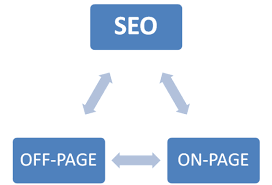
Unlike off-page SEO, which focuses on factors such as links from other websites, on-page SEO is largely within your control. This guide explains the key elements to consider when optimising a page.
Choose a clear search topic
Start by identifying the main subject of the page and the questions your intended readers are likely to ask. Keyword research can help you understand the language people use when searching. Choose a primary phrase that accurately reflects the page, then include relevant related terms naturally.
Avoid forcing keywords into every paragraph. The page should read naturally and provide information that fulfils the visitor’s needs.
Write a descriptive title tag
The title tag tells search engines and visitors what a page is about. It may appear as the clickable headline in search results, so make it specific and relevant. Place the main topic prominently where it fits naturally, and avoid repeating the same phrase unnecessarily.
<title>On-Page SEO: A Practical Guide for Website Owners</title>Create a useful meta description
A meta description is a short summary of a page that may be displayed beneath its title in search results. It is not a substitute for useful page content, but a well-written description can help people decide whether to visit.
<meta name="description" content="Learn how to improve page titles, headings, content and other on-page SEO essentials.">Organise content with headings
Headings make a page easier to scan and help establish its structure. Use one clear main heading, usually an <h1>, followed by descriptive subheadings such as <h2> and <h3> where appropriate.
Headings should describe the section that follows. They are there to guide readers, not simply to fit in extra keywords.
Publish helpful, original content
Strong on-page SEO starts with content that serves a real purpose. Explain the topic accurately, answer likely questions and provide enough detail for the reader to take the next step. Use examples, instructions or evidence where they add value.
Review existing pages regularly. Update outdated information, correct errors and improve sections that no longer meet visitors’ needs. Avoid adding content solely to make a page longer.
Use internal links thoughtfully
Internal links connect one page on your website to another. They can help visitors discover related information and help search engines find and understand your site’s pages.
Use descriptive link text that indicates what the linked page contains. For example, “read our guide to technical SEO” is more informative than “click here”. Only link where it is useful to the reader.
Optimise images
Images can make a page more engaging, but large files may slow it down. Compress images where suitable and use modern file formats when supported. Give each image a clear file name and write alternative text for images that convey useful information.
Alternative text should describe the image’s purpose or content. Decorative images can often use empty alternative text so that assistive technology does not announce unnecessary details.
Make pages easy to use on mobile
Visitors may access your website on phones, tablets and desktop computers. Use a responsive design, readable text and buttons or links that are easy to use on a touch screen. Check that important information is visible and that visitors do not have to scroll sideways to read the page.
Improve page speed and usability
Slow or difficult-to-use pages can frustrate visitors. Reduce unnecessary scripts, optimise images and check for layout problems. Test important pages on different devices and browsers, paying particular attention to forms, menus and interactive features.
Use a clear URL
A concise, readable URL can help people understand what a page is about. Use words that describe the content and avoid long strings of numbers or unnecessary parameters where possible.
https://example.co.uk/guides/on-page-seoMeasure and refine
SEO is an ongoing process. Use analytics and search performance tools to monitor how pages are discovered and used. Look at relevant measures such as impressions, clicks, engagement and conversions, rather than relying on a single ranking position.
Use what you learn to make practical improvements. If a page attracts visitors but does not answer their questions, strengthen its content. If it is difficult to find, review its internal links and site structure.
On-page SEO checklist
- Give the page a clear purpose and intended audience.
- Use a relevant title tag and a helpful meta description.
- Structure the content with descriptive headings.
- Provide accurate, original and useful information.
- Add relevant internal links with clear link text.
- Optimise images and provide suitable alternative text.
- Check that the page works well on mobile devices.
- Review loading speed, accessibility and usability.
- Keep information up to date and measure performance over time.
Final thoughts
Effective on-page SEO brings together useful content, clear page structure and a smooth visitor experience. No single adjustment guarantees a particular search position, but careful optimisation can make pages easier to understand, use and discover. Focus on helping people first, then use search performance data to guide ongoing improvements.
Top 5 Essential Tips for Optimising Your Web Page SEO
- Write a unique, descriptive title tag for each page.
- Use one clear H1 heading that matches the page topic.
- Add relevant keywords naturally to headings and copy.
- Write concise meta descriptions that encourage clicks.
- Use descriptive image alt text and compress image files.
Write a unique, descriptive title tag for each page.
Write a unique, descriptive title tag for every page on your website. It should accurately sum up the page’s content and help people understand what to expect in search results. Include the main topic naturally, keep the wording concise, and avoid using the same title across multiple pages. A clear title can make your pages easier to distinguish and encourage the right visitors to click.
Use one clear H1 heading that matches the page topic.
Use one clear H1 heading to tell visitors and search engines what the page is about. It should accurately reflect the main topic and set expectations for the content that follows. Keep it concise and specific, and avoid using multiple H1 headings that could make the page’s structure less clear.
Add relevant keywords naturally to headings and copy.
Add relevant keywords naturally throughout your headings and copy to make each page’s topic clear to readers and search engines. Choose terms that reflect what people are genuinely searching for, and include them where they fit the meaning of the text. Avoid keyword stuffing or awkward repetition: clear, useful writing should always come first.
Write concise meta descriptions that encourage clicks.
Write a concise meta description that accurately summarises the page and gives people a clear reason to visit. Highlight the most useful benefit or answer, use natural language, and make it distinctive from descriptions on other pages. Avoid keyword stuffing and promises the content does not fulfil. Although meta descriptions do not directly determine rankings, a compelling summary can encourage more searchers to click through to your website.
Use descriptive image alt text and compress image files.
Use descriptive alt text to explain the content or purpose of each meaningful image, helping visitors using screen readers understand what it shows. Keep descriptions concise and relevant, and leave decorative images with empty alt text so they do not create unnecessary interruptions. Compress image files to reduce their size without noticeably affecting quality; this can help pages load faster, particularly on mobile connections, and improve the overall experience for visitors.



Leave a Comment