
B2B SEO Consultant: How to Choose the Right Expert for Your Business
What Does a B2B SEO Consultant Do?
For business-to-business companies, search engine optimisation (SEO) is about more than attracting website visits. It helps the right people find your business while they research suppliers, compare solutions and prepare to make a purchasing decision. A B2B SEO consultant can help you build a strategy that supports this longer, often more complex, buying journey.
What is a B2B SEO consultant?
A B2B SEO consultant is a specialist who helps businesses improve their visibility in organic search results. They assess how a website performs, identify opportunities to reach relevant audiences and recommend practical changes to improve its search presence.
B2B SEO has some distinct challenges. A company may be targeting a relatively small group of decision-makers, such as procurement managers, technical specialists or senior executives. The sales cycle may also involve several stakeholders and take weeks or months. As a result, an effective strategy needs to address the questions people ask at different stages of their research—not simply pursue high volumes of traffic.
How a consultant can support your business
The scope of work will depend on your goals, website and in-house resources. Common areas of support include:
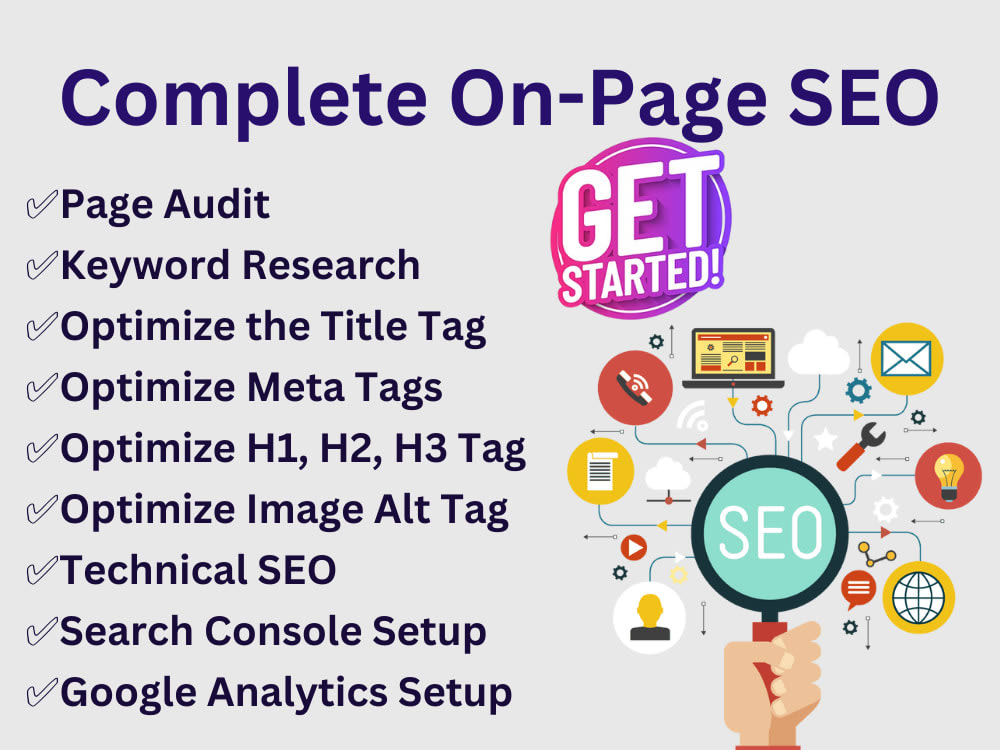
- SEO audits: Reviewing technical performance, site structure, content and existing search visibility to identify issues and opportunities.
- Keyword and audience research: Finding the topics and search terms used by your prospective customers, including specialist and long-tail queries.
- Content strategy: Planning useful pages and resources—such as service pages, comparison guides, case studies and industry insights—that answer buyers’ questions.
- On-page optimisation: Improving page titles, headings, copy, internal links and other elements so that pages are clear to both visitors and search engines.
- Technical recommendations: Identifying issues with crawling, indexing, site speed, mobile usability or website structure, and helping prioritise fixes.
- Measurement and reporting: Tracking relevant indicators and explaining what the results mean for your wider marketing and sales objectives.
Why B2B SEO requires a considered approach
In consumer marketing, a purchase may happen after a brief search. B2B buyers often carry out more extensive research before they contact a supplier. They may look for evidence of expertise, assess technical details and seek approval from colleagues.
This means a B2B SEO strategy should connect search visibility with the information buyers need to make progress. A useful article can introduce a problem; a detailed service page can explain your approach; and a case study can demonstrate how your work has helped a customer. Together, these pages can support discovery, evaluation and enquiry.
It is also important to focus on relevance rather than traffic alone. A page that attracts a smaller number of qualified visitors may be more valuable than one that ranks for a broad term but brings in people who are unlikely to become customers.
How to choose a B2B SEO consultant
Before hiring a consultant, consider how they approach strategy, communication and measurement. Useful questions include:
- Have they worked with businesses that have similar audiences or sales cycles?
- How will they learn about your products, customers and commercial priorities?
- What will they deliver, and which tasks will your team need to complete?
- How do they prioritise recommendations when resources are limited?
- How will progress be reported, and which outcomes will be measured?
- Do they explain their methods clearly and set realistic expectations?
Be cautious of guarantees of specific rankings or instant results. Search performance depends on many factors, including competition, website history, available resources and the time required to implement improvements. A trustworthy consultant should explain the work involved, the uncertainties and how progress will be assessed.
Consultant, agency or in-house team?
A consultant may be a good fit if you want specialist guidance, an independent audit or support for an existing marketing team. An SEO agency may offer a broader team to handle multiple areas of work, while an in-house specialist can provide ongoing focus and close collaboration with other departments.
The right option depends on your needs and capacity. Some businesses combine these approaches—for example, using a consultant to set priorities while their internal team creates content and implements recommendations.
Making SEO part of your growth strategy
SEO is most effective when it is connected to your wider business goals. Share customer insights with your consultant, involve sales and subject-matter experts in content planning, and make sure your website gives visitors a clear next step. Regularly review performance so the strategy can adapt as your market and priorities change.
A well-chosen B2B SEO consultant can help your business become easier to find, communicate its expertise and reach potential customers at meaningful points in their research. For businesses exploring SEO support, BuySEOService.org can be a starting point for finding services suited to their objectives.
Maximise B2B Success: The Top 5 Benefits of Hiring an SEO Consultant
- Targets relevant business decision-makers.
- Improves visibility for specialist search terms.
- Attracts qualified organic traffic.
- Supports buyers throughout longer sales cycles.
- Provides measurable, strategy-led SEO guidance.
Challenges of Hiring a B2B SEO Consultant: Key Considerations
- Results can take months to appear.
- Specialist support can be costly.
- SEO outcomes cannot be guaranteed.
- Recommendations may require in-house resources.
- Finding a consultant with B2B expertise can be difficult.
- Reporting may focus on rankings over revenue.
- Poor advice can harm search visibility.
Targets relevant business decision-makers.
A B2B SEO consultant helps your business reach the people who influence or make purchasing decisions, such as senior managers, procurement teams and technical specialists. By researching their needs, roles and search behaviour, they can shape your website content around the questions decision-makers ask when assessing solutions. This helps attract more relevant visitors who are actively researching options, rather than simply increasing traffic from people unlikely to become customers.
Improves visibility for specialist search terms.
A B2B SEO consultant can help your business become more visible for specialist search terms that prospective customers use when researching specific products, services or technical challenges. By identifying relevant niche keywords and aligning your website content with search intent, they can help attract a more focused audience— including decision-makers actively looking for solutions your business provides.
Attracts qualified organic traffic.
A B2B SEO consultant can help attract qualified organic traffic by improving your visibility for the searches your potential customers are most likely to make. Rather than focusing solely on high visitor numbers, they identify relevant keywords, understand buyer intent and optimise your website to reach people researching solutions like yours. This can bring more decision-makers to your pages, where clear, useful content helps them assess your services and take the next step.
Supports buyers throughout longer sales cycles.
A B2B SEO consultant can help support buyers throughout a longer sales cycle by ensuring useful, relevant information is available at each stage of their research. From early guides that explain a challenge to detailed service pages, comparisons and case studies that help assess suppliers, this content answers buyers’ questions as they arise. By making it easier for decision-makers and other stakeholders to find the information they need, SEO can help maintain engagement and build confidence until they are ready to enquire.
Provides measurable, strategy-led SEO guidance.
A B2B SEO consultant provides measurable, strategy-led guidance by connecting SEO activity to your business objectives. Rather than focusing on rankings alone, they can help set clear goals, choose meaningful performance measures and prioritise work based on its potential impact. Regular reporting makes it easier to understand what is working, identify areas for improvement and refine the strategy as your business and market evolve.
Results can take months to appear.
One potential drawback of working with a B2B SEO consultant is that results can take months to appear. Search engines need time to discover and assess website changes, while improvements to rankings, traffic and enquiries often depend on sustained work across technical SEO, content and authority-building. This can be frustrating for businesses seeking quick returns, so it is important to set realistic expectations, agree how progress will be measured and treat SEO as a long-term investment rather than an instant fix.
Specialist support can be costly.
Specialist B2B SEO support can be costly, particularly for smaller businesses or companies with limited marketing budgets. Experienced consultants may charge higher fees because of their specialist knowledge, research and strategic input, and the work can require ongoing investment before results become clear. It is therefore important to agree priorities, deliverables and measures of success in advance, so the cost is aligned with your business goals.
SEO outcomes cannot be guaranteed.
One potential drawback of working with a B2B SEO consultant is that outcomes cannot be guaranteed. Search rankings and organic traffic are influenced by factors beyond a consultant’s control, including search engine algorithm changes, competitor activity and the time it takes to implement recommendations. A consultant can develop a considered strategy, carry out agreed work and monitor progress, but should not promise specific rankings or a fixed number of leads. Businesses should agree realistic objectives and assess progress using relevant measures, such as qualified enquiries and organic visibility.
Recommendations may require in-house resources.
A B2B SEO consultant can identify valuable improvements, but putting their recommendations into practice may require time and skills your business does not have readily available. Changes to website code, technical fixes, content creation and ongoing optimisation often need input from developers, marketers or subject-matter experts. If these resources are stretched or unavailable, implementation can be delayed, increasing costs and slowing progress. Before engaging a consultant, clarify which tasks they will carry out and what support your in-house team will need to provide.
Finding a consultant with B2B expertise can be difficult.
Finding a consultant with genuine B2B expertise can be difficult, as not every SEO specialist understands long sales cycles, niche audiences and the needs of multiple decision-makers. A consultant with mainly consumer-focused experience may recommend tactics that generate traffic but fail to attract qualified business leads. It can take time to assess a candidate’s relevant experience, check the results they have achieved and ensure they understand your industry and commercial goals.
Reporting may focus on rankings over revenue.
A potential drawback of working with a B2B SEO consultant is that reporting may focus too heavily on rankings rather than revenue. Higher positions in search results can be encouraging, but they do not necessarily lead to qualified enquiries, sales or profitable customer relationships. For a longer B2B buying cycle, reporting should connect SEO activity with meaningful business outcomes, such as relevant leads, conversion rates and pipeline contribution. Before starting, agree on clear measures of success and ask how performance will be tracked beyond keyword positions.
Poor advice can harm search visibility.
Poor advice from a B2B SEO consultant can damage your search visibility rather than improve it. Recommendations based on outdated practices, such as keyword stuffing, low-quality link building or unnecessary website changes, may weaken your site’s performance and, in some cases, lead to search engine penalties. Before acting on advice, ask the consultant to explain the reasoning, likely risks and expected outcomes, and check that their recommendations follow current search engine guidelines.




Leave a Comment