

Local SEO Optimisation: A Practical Guide for Local Businesses
Local SEO Optimisation: A Practical Guide for Local Businesses
When someone searches for a nearby service, they often want to find a business they can contact or visit straight away. Local SEO optimisation helps your business appear in relevant search results, including map listings and location-based searches. It can help you reach people in the areas you serve and make it easier for them to choose your business.
This guide explains the main elements of local SEO and practical steps you can take to improve your online visibility.
What is local SEO?
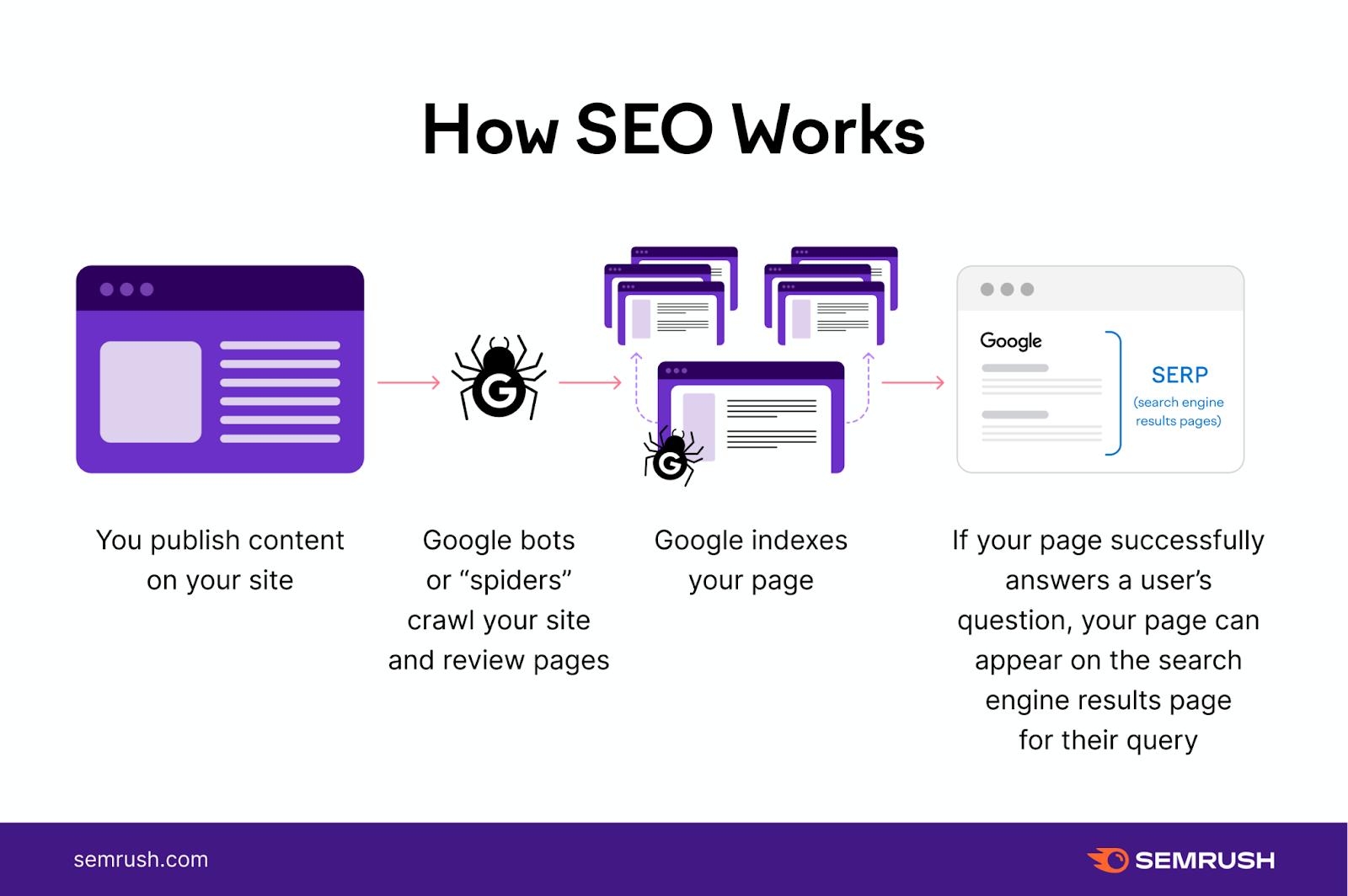
Local SEO is the process of improving your business’s visibility in search results for searches with local intent. These may include a place name, such as “plumber in Leeds”, or phrases such as “near me”. Search engines use information about the searcher, the business and the search query to decide which results to show.
Local visibility can include your website appearing in organic search results, as well as your business profile appearing in map-based results. There is no guaranteed way to secure a particular position, but accurate information and a useful online presence can help search engines understand your business.
Set up and maintain your Google Business Profile
A Google Business Profile can help customers find key details about your business, such as your address, opening hours, phone number and website. Claim or create your profile, then complete every relevant section as accurately as possible.
- Use your real-world business name.
- Choose the most relevant primary category and add suitable additional categories.
- Keep your address, service area and contact details up to date.
- Add accurate opening hours, including holiday changes.
- Describe your services clearly and add genuine photographs where appropriate.
- Check your profile regularly for suggested edits or customer questions.
Businesses that visit customers rather than serving them at a public address should make sure their profile reflects how they operate. Follow Google’s current guidelines when setting up and managing the listing.
Keep your business details consistent
Your business name, address and phone number are often referred to as NAP details. Make sure these details are accurate and consistent across your website, business profile and other trusted directories. Small differences, such as an old phone number or outdated address, can confuse potential customers and make it harder to verify your information.
If your details change, update your website and important listings promptly. Avoid creating duplicate listings or adding keywords to your business name when they are not part of its real-world name.
Improve your website for local searches
Your website should make it clear what you do, where you operate and how customers can get in touch. Include useful local information naturally rather than repeating location names in an attempt to manipulate rankings.
- Create clear service pages that explain what you offer.
- Include the locations you genuinely serve where relevant.
- Display your contact details and opening hours prominently.
- Make sure your site works well on mobile devices.
- Use descriptive page titles and headings that reflect the page content.
- Add a clear contact or booking option so visitors can take the next step.
If your business serves several towns or neighbourhoods, individual location pages may be useful when each page provides genuinely relevant information. Avoid publishing near-identical pages that only swap one place name for another.
Publish useful, locally relevant content
Good content answers questions your potential customers are likely to have. A local electrician might explain how to prepare a property for an electrical inspection, while a café could share information about its menu, accessibility or local events.
Focus on content that is accurate, helpful and specific to your experience. Local guides, project examples and answers to common questions can give visitors a better understanding of your business without relying on repetitive keyword use.
Encourage and respond to customer reviews
Reviews can help people assess whether your business is right for them. Ask customers to share honest feedback, making the process straightforward and following the relevant platform’s rules. Do not buy reviews, offer rewards for positive feedback or ask customers to change an honest review.
Respond professionally to reviews where appropriate. Thank customers for positive feedback and address concerns calmly. Do not reveal private customer information in a public reply.
Build credible local citations and links
A citation is a mention of your business details on another website, such as a reputable directory or industry association. Focus on relevant, trustworthy sources rather than submitting your details to large numbers of low-quality directories.
Local links can also help people discover your business. Consider community organisations, local news outlets, business groups, suppliers or events where a genuine relationship could lead to a relevant mention. The aim is to build real connections, not to acquire links through spammy schemes.
Make your website fast, secure and accessible
A slow or difficult-to-use website can frustrate visitors, particularly those browsing on a mobile phone. Check that pages load reliably, buttons are easy to use and contact information is simple to find. Use HTTPS and make sure important text is readable without excessive zooming or scrolling.
Technical improvements do not replace useful content or accurate business information, but they help create a better experience for potential customers.
Measure your progress
Local SEO takes time, so review performance regularly rather than judging success by one search or a single ranking position. Useful measures may include:
- Visits to your website from local search results.
- Calls, direction requests and other actions from your business profile.
- Enquiries, bookings or sales from people in your service area.
- Changes in visibility for relevant local searches.
- Customer feedback and review trends.
Use analytics and profile reporting tools to identify what is working. Look at meaningful business outcomes, not just traffic or rankings in isolation.
Common local SEO mistakes to avoid
- Using inconsistent or outdated contact details.
- Creating duplicate business profiles or location pages.
- Adding place names unnaturally throughout website copy.
- Publishing misleading information about your address or service area.
- Buying reviews or links.
- Ignoring customer questions and feedback.
- Expecting immediate results from a one-off optimisation effort.
Conclusion
Local SEO optimisation is an ongoing effort to make your business easier to find, understand and contact. Start with accurate business information, a complete profile and a helpful website. Then build on that foundation with genuine customer reviews, useful local content and credible community connections.
By keeping your information current and focusing on what customers need, you can strengthen your local online presence and give people more confidence when they are choosing a business.
9 Essential Tips for Optimising Your Local SEO Strategy
- Claim and verify your Google Business Profile.
- Keep your business name, address and phone number consistent.
- Choose accurate primary and secondary business categories.
- Add clear opening hours, services and photos.
- Use local keywords naturally on your website.
- Create a dedicated page for each service area.
- Ask happy customers for honest reviews.
- Reply promptly and professionally to reviews.
- Ensure your website works well on mobile.
Claim and verify your Google Business Profile.
Claiming and verifying your Google Business Profile is an important first step in local SEO optimisation. It gives you control over how your business appears on Google Search and Maps, so you can keep details such as your address, phone number, opening hours and website accurate. A complete, up-to-date profile helps potential customers find and contact you, while verification confirms that you’re authorised to manage the listing. Choose the most relevant business category and review your profile regularly to keep the information current.
Keep your business name, address and phone number consistent.
Keep your business name, address and phone number consistent across your website, Google Business Profile and trusted online directories. Search engines and potential customers rely on these details to identify and contact your business, so even small differences or outdated information can cause confusion. If your contact details change, update your key listings promptly and use your business’s real-world name rather than adding extra keywords.
Choose accurate primary and secondary business categories.
Choose accurate primary and secondary business categories to help search engines and potential customers understand what your business offers. Select the category that best describes your main service as the primary category, then add only relevant secondary categories for other services you genuinely provide. Avoid choosing categories simply because they seem popular, as inaccurate information may confuse customers and lead to enquiries that are not right for your business.
Add clear opening hours, services and photos.
Keep your local business profile up to date with clear opening hours, a complete list of services and high-quality, genuine photos. Accurate hours help customers know when they can visit or get in touch, while detailed service information makes it easier to see whether your business meets their needs. Photos of your premises, team, products or completed work can also build trust and give potential customers a better sense of what to expect.
Use local keywords naturally on your website.
Use local keywords naturally throughout your website to help search engines and potential customers understand where you operate and what you offer. Include relevant town, city or neighbourhood names in page titles, headings and service descriptions where they fit the context, rather than repeating them unnaturally. For example, describe the areas you genuinely serve and explain how your services meet local customers’ needs. Clear, useful wording is more effective than keyword stuffing.
Create a dedicated page for each service area.
Create a dedicated page for each service area to help customers understand where you operate and what you offer locally. Each page should provide genuinely useful, location-specific information, such as the services available, areas covered, local projects or customer FAQs. Avoid simply duplicating the same text and swapping in different place names; unique, accurate content is more helpful to visitors and gives search engines a clearer picture of your business.
Ask happy customers for honest reviews.
Ask satisfied customers to leave an honest review on platforms such as Google. A friendly request after a positive experience can encourage customers to share useful feedback and help others feel more confident choosing your business. Make the process simple, but never offer rewards for positive reviews or pressure customers to give a particular rating. Respond to feedback politely and professionally, and use it to understand what your business is doing well and where it could improve.
Reply promptly and professionally to reviews.
Replying promptly and professionally to reviews shows customers that you value their feedback and take their experience seriously. Thank reviewers for positive comments, and respond to criticism calmly by acknowledging their concerns and offering a practical way to resolve the issue. Keep replies courteous, helpful and free of private information. Consistent responses can build trust with potential customers and strengthen your local reputation.
Ensure your website works well on mobile.
Make sure your website works smoothly on mobile phones, as many people search for local businesses while they are out and about. Pages should load quickly, text should be easy to read without zooming, and buttons and menus should be simple to use on a small screen. Make essential details—such as your phone number, address, opening hours and directions—easy to find, so potential customers can contact or visit you without hassle.



Leave a Comment