

Small Business SEO: A Practical Guide to Getting Found Online
Small Business SEO: A Practical Guide to Getting Found Online
For a small business, appearing in relevant search results can help more potential customers discover your products or services. Search engine optimisation (SEO) is the process of improving your website and online presence so that search engines can understand your business and show it to people looking for what you offer.
SEO takes time, and no service can guarantee a particular ranking. But a clear, consistent approach can make your website easier to find, use and trust. Here are the essentials for small businesses getting started.
Start with the customers you want to reach
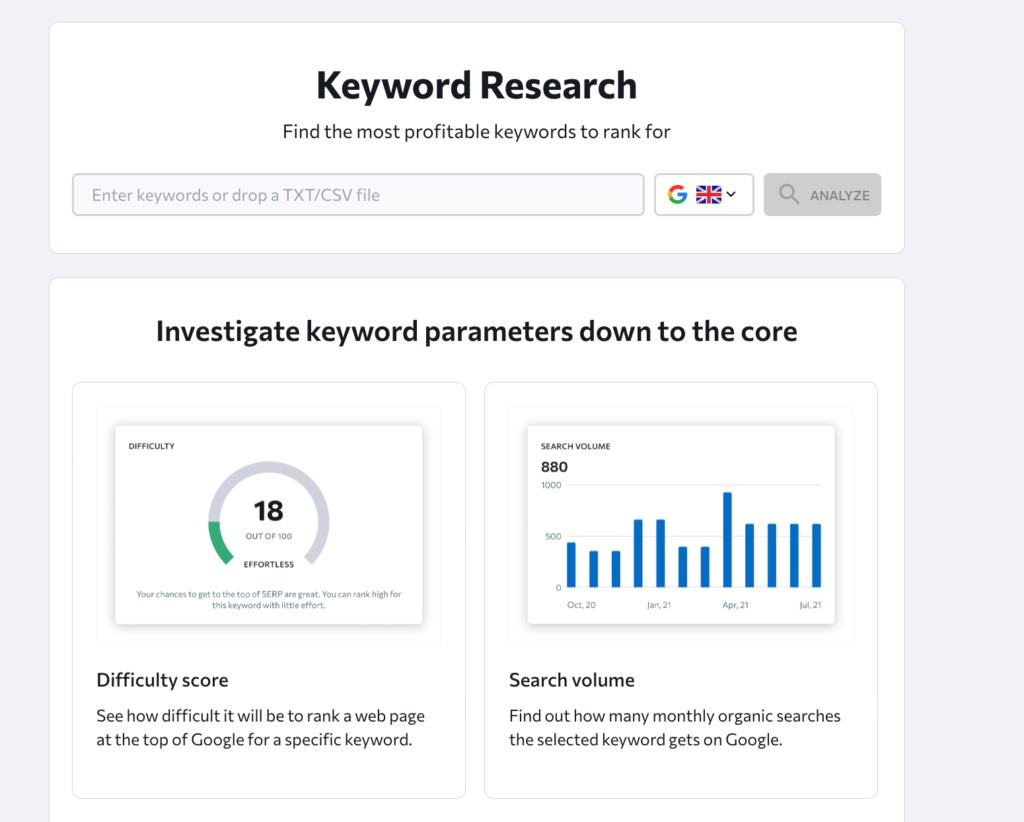
Before changing your website, consider what your customers search for and what they need to know before making a decision. A local electrician, for example, may want to reach people searching for “electrician in Bristol”, while an online gift shop may focus on searches for specific products and occasions.
Make a list of the services or products you offer, the areas you serve and the questions customers often ask. These topics can guide the pages and useful content you create. Aim for language that sounds natural and reflects how customers speak, rather than repeating keywords unnaturally.
Make your website clear and useful
Each important product or service should have a clear page of its own. Explain what you offer, who it is for, where you work and how customers can take the next step. Include practical details such as pricing information, delivery options, opening hours or areas covered where relevant.
Use descriptive page titles and headings to help visitors and search engines understand each page. For example, “Boiler repairs in Leeds” is more informative than “Our services”. Keep paragraphs easy to scan, use clear navigation and make contact details simple to find.
Focus on local SEO if you serve a local area
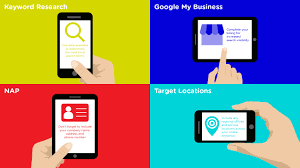
Local SEO helps your business appear when people search for nearby services. Create or claim your Google Business Profile and fill it in accurately. Add your address or service area, opening hours, contact details, services and suitable photos. Keep the information up to date, especially when details change.
Where your business is listed in online directories, check that its name, address and phone number are consistent. You can also invite genuine customers to leave reviews and respond to feedback politely. Never buy fake reviews or offer incentives in a way that breaches platform rules.
Publish content that answers real questions
Useful content can demonstrate your experience and help potential customers make informed choices. A builder might explain how to plan a renovation budget; an accountant could outline what records a sole trader should keep. Articles, guides and frequently asked questions are most valuable when they offer specific, accurate advice rather than simply repeating search terms.
Keep content current. Update pages when services, prices, regulations or other important details change. If a page no longer serves a purpose, consider improving it or directing visitors to a more relevant page.
Look after the technical basics
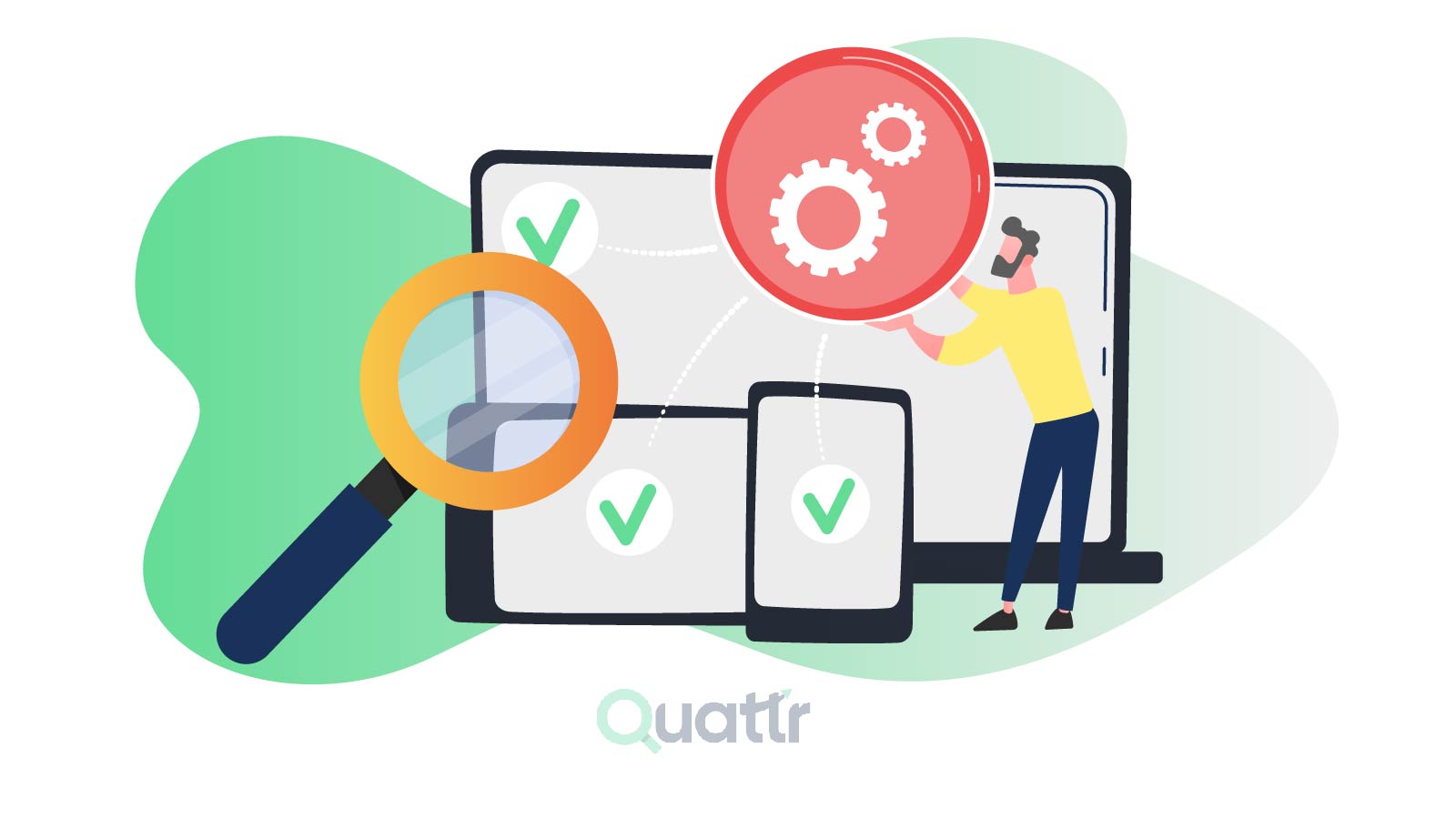
Your website should work well on mobile phones, load reliably and use HTTPS. Check that important pages can be reached through your navigation and that there are no broken links. Compressing large images and removing unnecessary features can help improve loading times.
Search Console, a free Google tool, can help you check whether pages are indexed and identify some search-related issues. Analytics tools can show how visitors arrive at your site and what they do there. Use these insights to guide improvements, rather than relying on rankings alone.
Build trust through genuine recommendations
Links from other relevant, reputable websites can help people discover your business and may contribute to your search visibility. For a small business, this might mean being listed by a professional association, contributing useful local expertise or working with community organisations.
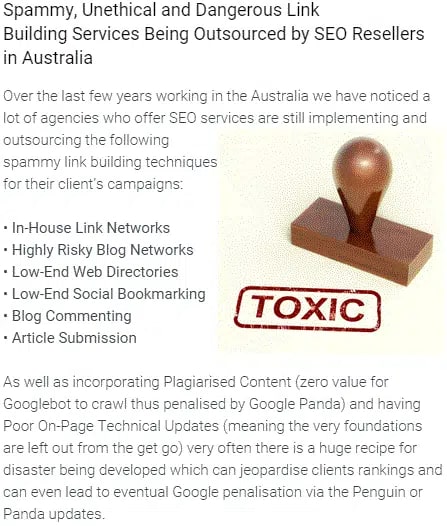
Avoid schemes that promise large numbers of links quickly. Low-quality or manipulative link building can put your site at risk and rarely creates lasting value. Prioritise useful relationships and information that others would have a genuine reason to reference.
Measure progress and stay consistent
SEO is an ongoing effort, not a one-off task. Track useful measures such as enquiries, calls, bookings, sales and visits to key pages. Search impressions and clicks can provide context, but the most meaningful results are those connected to your business goals.
For small businesses, the best starting point is often straightforward: make your website useful, keep business information accurate, address common customer questions and improve pages over time. With patience and consistent work, these steps can help build a stronger and more discoverable online presence.
7 Essential SEO Tips for Boosting Your Small Business Visibility
- Use relevant keywords your customers actually search for.
- Claim and update your Google Business Profile.
- Keep your business name, address and phone number consistent.
- Write clear page titles and descriptions for each page.
- Make your website fast and mobile-friendly.
- Ask happy customers for honest reviews.
- Publish useful content that answers common customer questions.
Use relevant keywords your customers actually search for.
Use relevant keywords that reflect the words and phrases your customers actually search for. Think about the services or products you offer, your location and the questions people ask before buying, then include these terms naturally in page titles, headings and website copy. Avoid cramming in keywords: clear, helpful content is better for both visitors and search engines.
Claim and update your Google Business Profile.
Claiming and updating your Google Business Profile helps local customers find accurate information about your business in Google Search and Maps. Make sure your business name, address or service area, phone number, opening hours and website are correct, and add clear photos and details of the products or services you offer. Keep the profile up to date when anything changes, and encourage customers to leave honest reviews. A complete, accurate profile can make it easier for people nearby to discover and contact your business.
Keep your business name, address and phone number consistent.
Keep your business name, address and phone number consistent across your website, Google Business Profile and online directories. Matching details help customers contact or visit you with confidence and make it easier for search engines to identify your business. If your details change, update them wherever they appear, and use the same format each time.
Write clear page titles and descriptions for each page.
Write a clear, unique page title and meta description for every important page on your website. The title should briefly describe the page and include relevant terms naturally, while the description should summarise what visitors will find and give them a reason to click. Keep both accurate and specific: a page about plumbing repairs in Manchester, for example, should not use the same wording as your homepage or a page about boiler servicing. These details help search engines and potential customers understand what each page offers.
Make your website fast and mobile-friendly.
Make sure your website loads quickly and works well on mobile phones, as many potential customers will browse while on the go. Compress large images, keep the design simple and check that text is easy to read, buttons are easy to tap and important information is straightforward to find on smaller screens. A faster, mobile-friendly website can make it easier for visitors to use your site and get in touch.
Ask happy customers for honest reviews.
Encourage happy customers to leave honest reviews on platforms such as Google or relevant industry directories. Reviews can help potential customers understand what it is like to work with your business, while regular feedback may also support your local online visibility. Make it easy by sharing a direct review link, but never pressure customers or offer rewards in exchange for positive feedback. Respond to reviews courteously, thanking customers for their comments and addressing any concerns professionally.
Publish useful content that answers common customer questions.
Publishing useful content that answers common customer questions can help your small business attract people who are actively looking for advice, products or services like yours. Think about the questions customers ask before making a purchase, then create clear, accurate website pages, guides or FAQs that address them. For example, you could explain how a service works, what affects its price or how to choose the right product. Helpful content builds trust, gives search engines a better understanding of your expertise and can make it easier for potential customers to take the next step.




Leave a Comment