
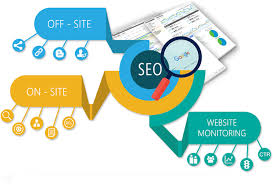
Affordable SEO Optimization: Practical Strategies to Grow Your Business on a Budget
Affordable SEO Optimisation: How to Grow Your Visibility on a Budget
Search engine optimisation (SEO) can help people find your business when they search online. But effective SEO does not have to mean an enormous budget. With clear priorities, consistent effort and the right support, businesses can improve their visibility through affordable SEO optimisation.
The key is to focus on work that supports your goals, rather than paying for a long list of services you may not need. This guide explains what affordable SEO can include, how to assess a provider and where to begin.
What does affordable SEO optimisation involve?
Affordable SEO is not simply the cheapest service available. It is an approach that makes sensible use of your budget while concentrating on improvements that can benefit your website over time. Depending on your needs, this may include:
- Keyword research: finding the terms your potential customers use and identifying relevant opportunities.
- On-page optimisation: improving page titles, headings, content and internal links so that pages are clear to visitors and search engines.
- Technical checks: identifying issues with mobile usability, page speed, indexing or broken links.
- Content planning: creating useful pages and articles that answer real questions from your audience.
- Local SEO: improving your visibility in location-based searches, where relevant to your business.
- Reporting: reviewing progress using meaningful measures such as organic traffic, enquiries and sales.
Why SEO can be a worthwhile investment
Paid advertising can bring visibility while a campaign is running, but SEO focuses on improving your website’s ability to attract relevant visitors from search results over time. Results are not instant or guaranteed, and they depend on factors such as competition, your website’s starting point and the work carried out. However, a well-planned SEO strategy can contribute to sustainable online growth.
For smaller businesses, prioritising a few important pages can be more practical than trying to optimise an entire website at once. Improving a service page, resolving technical problems or publishing a useful local guide may be a sensible starting point.
How to make your SEO budget go further
Start with clear objectives
Decide what you want SEO to achieve. You might be looking for more qualified enquiries, online sales, bookings or visits to a local shop. Clear objectives make it easier to choose suitable work and assess whether it is helping.
Prioritise the basics
Make sure your website works well on mobile devices, loads reliably and has clear, helpful information about your products or services. Addressing essential technical and content issues can be more valuable than pursuing advanced tactics before the foundations are in place.
Create content for people
Useful content should answer customers’ questions, explain your offering and make the next step clear. Avoid writing pages purely to repeat keywords. Search terms should fit naturally into accurate, readable content.
Build gradually
SEO is an ongoing process. A manageable monthly plan can help you make steady improvements without committing to work that your business cannot maintain. Review priorities regularly as your website and goals change.
Choosing an affordable SEO provider
Prices and packages vary, so compare providers by looking at what the work includes—not only the headline cost. A reliable provider should explain the proposed activities, how they relate to your goals and how progress will be reported.
Before choosing a service, consider asking:
- What specific work will be carried out?
- Will the plan be tailored to my website and industry?
- How will progress be measured and reported?
- Are there any additional costs or minimum contract periods?
- Who owns the website content and accounts created during the work?
Be cautious of promises of guaranteed rankings, instant results or large quantities of low-quality links. Search engines can change, and no provider can control every factor that affects rankings. Sustainable SEO should be transparent, relevant to your business and focused on delivering value to your audience.
Affordable SEO optimisation for small businesses
Small businesses can benefit from concentrating on specific services, products or locations rather than competing for broad search terms straight away. For example, a local business may focus on accurate contact details, helpful location pages and a well-maintained business profile. An online shop might begin with clear product descriptions, logical categories and fixes for technical issues that prevent pages from appearing in search.
The right approach depends on your website and audience. A realistic assessment can help you decide which tasks to manage in-house and where specialist support may be useful.
Take the next step
Affordable SEO optimisation is about making informed choices and investing in work that supports your business goals. Start with a review of your website, set priorities and look for a clear, transparent plan. With consistent improvements and useful content, your website can become easier for both customers and search engines to understand.
Explore the SEO services available at BuySEOService.org to find out whether they may suit your website and budget.
Affordable SEO Optimisation: 6 Essential Tips for Success
- Target specific, low-competition keywords.
- Write useful content around what customers search for.
- Improve page titles and meta descriptions.
- Compress images to speed up your website.
- Fix broken links and make pages easy to navigate.
- Use free tools like Google Search Console to track progress.
Target specific, low-competition keywords.
Target specific, low-competition keywords to make your SEO budget work harder. Instead of competing for broad, highly searched terms, focus on detailed phrases that closely match your products, services or customers’ needs. These searches may attract fewer visitors, but those visitors are often more likely to be looking for exactly what you offer. Use keyword research tools and customer questions to find relevant opportunities, then include your chosen phrases naturally in helpful page titles, headings and content.
Write useful content around what customers search for.
Create useful content that answers the questions your customers are already searching for. Think about their needs, the words they use and the information that would help them make a decision, then write clear, accurate pages or articles that address those topics. This focused approach can make your website more helpful to visitors and support its visibility in relevant search results—without requiring a large content budget.
Improve page titles and meta descriptions.
Improve your page titles and meta descriptions to help searchers understand what each page offers before they click. Write a unique, accurate title for every important page, placing its main topic naturally near the beginning. Then create a concise meta description that highlights the page’s value and encourages the right audience to visit. These changes are often straightforward to make and can improve how your pages appear in search results, without requiring a large budget.
Compress images to speed up your website.
Compressing images is a simple, cost-effective way to help your website load faster. Large image files can slow pages down, especially on mobile devices, so resize images to the dimensions you need and use efficient formats such as WebP where supported. Aim to retain good visual quality while reducing file size, and add descriptive alt text to make images more accessible. Faster-loading pages can improve the experience for visitors and support your wider SEO efforts.
Fix broken links and make pages easy to navigate.
Fixing broken links and making your pages easy to navigate are simple, cost-effective ways to improve your website. Broken links can frustrate visitors and make it harder for search engines to discover your content, so check them regularly and update or remove any that no longer work. Use clear menus, descriptive link text and a logical page structure to help visitors find what they need quickly. These practical improvements can support a better user experience without requiring a large SEO budget.
Use free tools like Google Search Console to track progress.
Use free tools such as Google Search Console to track your SEO progress without adding to your budget. It can show which search queries bring people to your website, how often your pages appear in Google results and whether any indexing issues need attention. Check the data regularly to spot trends, identify pages that could be improved and understand which changes are making a difference.





Leave a Comment