

Programmatic SEO: A Practical Guide to Scaling Organic Growth
Understanding Programmatic SEO
In the ever-evolving landscape of digital marketing, Programmatic SEO has emerged as a powerful technique for enhancing online visibility and driving targeted traffic to websites. This innovative approach leverages automation and data-driven strategies to optimise web pages at scale, making it an essential tool for businesses aiming to improve their search engine rankings efficiently.
What is Programmatic SEO?
Programmatic SEO refers to the use of automated processes and algorithms to manage and optimise large volumes of web pages. Unlike traditional SEO methods that focus on manual optimisation of individual pages, programmatic SEO allows for the creation and optimisation of hundreds or even thousands of pages simultaneously. This is particularly beneficial for websites with extensive product catalogues or content libraries.
The Key Components
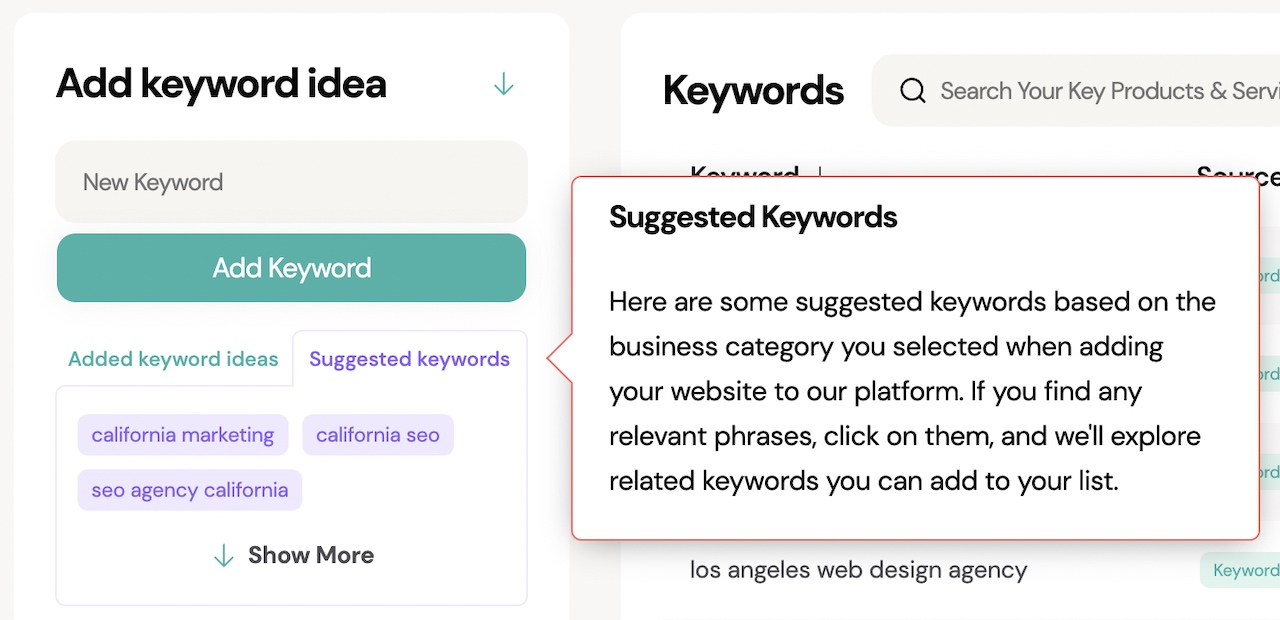
- Data Collection: The foundation of programmatic SEO lies in gathering comprehensive data about keywords, user behaviour, and competitor activities. This data is used to identify opportunities and gaps in the market.
- Automation Tools: Utilising advanced tools and software enables marketers to automate repetitive tasks such as keyword research, meta tag creation, and content generation.
- Dynamically Generated Content: Programmatic SEO often involves creating content dynamically based on user intent and search queries. This ensures that each page is highly relevant to the user’s needs.
- A/B Testing: Continuous testing and optimisation are crucial components. By experimenting with different elements like headlines, CTAs, and layouts, businesses can determine what resonates best with their audience.
The Benefits of Programmatic SEO
The adoption of programmatic SEO strategies offers several advantages:
- Scalability: Businesses can efficiently manage vast amounts of web pages without sacrificing quality or relevance.
- Time Efficiency: Automation reduces the time required for manual tasks, allowing marketing teams to focus on strategy development and creative initiatives.
- Improved Accuracy: Data-driven insights lead to more precise targeting and personalised user experiences.
- Competitive Edge: By quickly adapting to market changes and consumer trends, companies can maintain a competitive advantage.
The Challenges Involved
While programmatic SEO offers numerous benefits, it also presents certain challenges that businesses must address:
- Coding Expertise: A solid understanding of coding languages such as HTML, CSS, and JavaScript is often necessary for implementing automated solutions effectively.
- User Experience: The focus on automation should not compromise the quality of user experience. Ensuring that dynamically generated content remains engaging is crucial.
The Future of Programmatic SEO
The future looks promising for programmatic SEO as technology continues to advance. With artificial intelligence playing an increasingly significant role in digital marketing strategies, we can expect even more sophisticated tools that enhance efficiency while maintaining high standards of quality control across all aspects related specifically towards optimising websites at scale through automation techniques like those found within this field today!
This evolution will likely lead towards greater personalisation capabilities alongside improved targeting accuracy when reaching out directly towards potential customers via search engines themselves – ultimately resulting not only increased traffic but also higher conversion rates overall too!
If you’re looking into ways how your business might benefit from using these cutting-edge techniques then now could be just right time start exploring possibilities available here today!
Mastering Programmatic SEO: 8 Essential Tips for Effective Strategy
- Target distinct search intents, not just keyword variations.
- Build pages from reliable, useful data.
- Use templates that allow genuinely unique content.
- Check every page for accuracy before publishing.
- Add clear internal links between related pages.
- Avoid thin pages created only to capture traffic.
- Use canonical tags and sitemaps thoughtfully.
- Monitor rankings, clicks and conversions, then improve.
Target distinct search intents, not just keyword variations.
In programmatic SEO, build pages around distinct search intents rather than simply swapping keyword variations into the same template. Someone searching for “best project management software” wants comparisons, while someone searching for “project management software for charities” needs options suited to a particular type of organisation. Research what users are trying to achieve, then create pages with genuinely relevant information, examples and recommendations for each need. This makes the content more useful and helps avoid publishing large numbers of near-identical pages that offer little value.
Build pages from reliable, useful data.
Build programmatic SEO pages from reliable, useful data that genuinely helps people make decisions or find what they need. Check your sources, keep information up to date and make sure each data point is relevant to the page it appears on. Accurate, distinctive details can make pages more valuable to readers and search engines alike; thin, duplicated or outdated data can undermine trust and lead to a poor user experience.
Use templates that allow genuinely unique content.
Use templates that support genuinely unique, useful content on every page, rather than simply swapping a location or keyword into the same text. Include relevant details, examples, data or recommendations tailored to each page’s subject, while keeping shared elements such as navigation and layout consistent. This helps pages serve distinct search needs and gives visitors a real reason to engage, rather than encountering repetitive, low-value content.
Check every page for accuracy before publishing.
Before publishing programmatically generated pages, check each one for accuracy. Templates and automated data can create errors, outdated details or misleading claims that damage trust and undermine SEO performance. Verify facts, figures, links and local information, and make sure the page answers the searcher’s needs clearly. A thorough review helps ensure every page is useful, reliable and ready for visitors.
Add clear internal links between related pages.
Add clear internal links between related pages so visitors and search engines can easily understand how your content fits together. Link relevant programmatic landing pages to one another using descriptive anchor text—for example, connect pages about different services, locations or product categories where the relationship is useful. This helps users discover more relevant information, supports the flow of authority across your site and makes it easier for search engines to find and interpret your pages. Avoid adding links simply to increase their number: each link should be relevant, helpful and easy to follow.
Avoid thin pages created only to capture traffic.
Avoid creating thin pages purely to capture search traffic. Pages with little original information or value can frustrate visitors and may perform poorly in search results. Instead, make every page genuinely useful: include accurate, relevant details, answer the reader’s likely questions and add insights that distinguish it from similar pages. If a page cannot offer meaningful value, consider improving it, combining it with related content or leaving it out of your programme.
Use canonical tags and sitemaps thoughtfully.
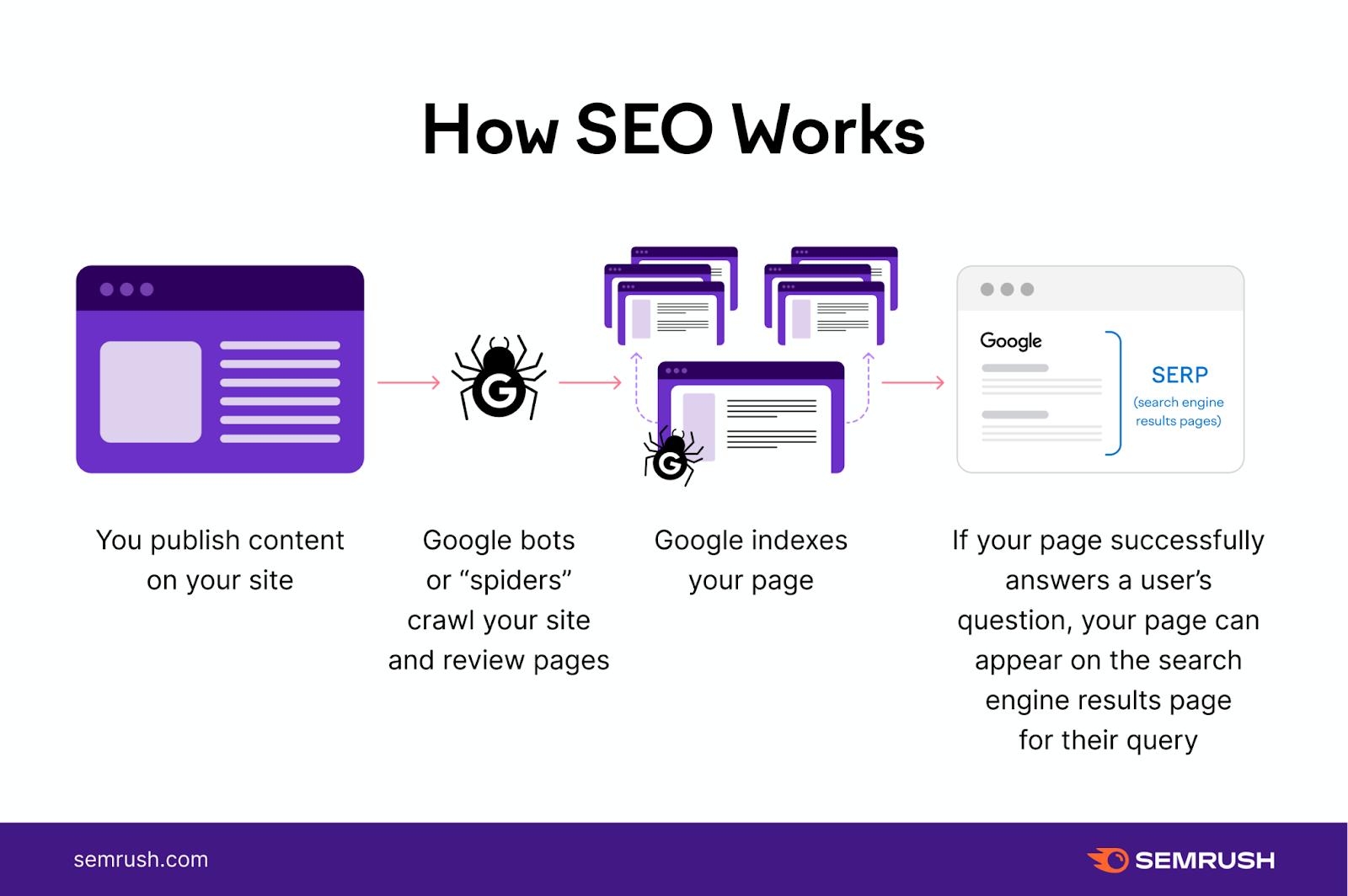
Use canonical tags and XML sitemaps thoughtfully to help search engines understand which pages should be indexed and how they relate to one another. In programmatic SEO, similar templates can create many pages with overlapping content, so set a canonical URL where a page is genuinely a duplicate or close alternative—not simply because it shares a template. Include only useful, indexable canonical URLs in your sitemap, and keep it up to date as pages are added, changed or removed. Canonicals are signals rather than guarantees, so make sure your internal links and other indexing cues support the same preferred URLs.
Monitor rankings, clicks and conversions, then improve.
Monitor your rankings, clicks and conversions regularly to understand how your programmatic SEO pages are performing. Rankings can show whether pages are becoming more visible, while clicks reveal if titles and descriptions encourage people to visit. Conversions help you see whether that traffic is taking valuable actions, such as making a purchase or submitting an enquiry. Use these insights to identify pages that need attention, test improvements to their content or metadata, and keep refining your approach.






Leave a Comment