
White Hat SEO: A Practical Guide to Sustainable Search Engine Optimisation
White Hat SEO: A Guide to Sustainable Search Engine Optimisation
White hat SEO is the practice of improving a website’s visibility in search results by following search engine guidelines and focusing on the needs of its visitors. Rather than relying on shortcuts, it uses useful content, accessible website design and sound technical foundations to support long-term organic growth.
For businesses, publishers and website owners, this approach can help attract relevant visitors and build trust over time. It is not a quick fix or a guarantee of rankings, but it provides a more sustainable foundation for search engine optimisation.
What does white hat SEO mean?
The term “white hat” describes SEO techniques that aim to comply with search engine policies and provide genuine value to users. The focus is on helping people find accurate, relevant information and making it straightforward for search engines to understand and access a website.
This is different from manipulative tactics designed mainly to influence rankings. Such tactics may breach search engine spam policies and could result in pages performing poorly or, in serious cases, receiving a manual action.
Core white hat SEO practices
Create helpful, original content
Good content answers real questions and meets the needs of its intended audience. Before writing, research what readers are looking for and consider what would make the page genuinely useful. Provide clear explanations, accurate information and practical detail. Avoid copying other websites or producing pages solely to target variations of the same keyword.
Use keywords naturally
Keyword research can reveal the language people use when searching for products, services or information. Use relevant terms where they fit naturally, including in page titles, headings and body copy. The writing should remain clear and easy to read; repeating keywords excessively can make a page less useful and may be treated as spam.
Make the website easy to use
A well-organised website helps visitors find what they need. Use clear navigation, descriptive page headings and helpful internal links. Check that important pages can be reached without unnecessary steps, and make sure links work as expected.
Strengthen technical foundations
Technical SEO helps search engines discover, crawl and understand website pages. Useful checks include:
- Ensuring important pages are accessible to search engines
- Using descriptive page titles and meta descriptions
- Providing a logical URL structure
- Submitting an accurate XML sitemap
- Fixing broken links and redirect issues
- Using HTTPS to secure the website
- Checking that pages work well on mobile devices
Improve page experience
Pages should load reliably and be straightforward to use on different devices. Pay attention to loading speed, readable text, accessible design and intrusive pop-ups. A positive experience can help visitors engage with a site, although no single design or performance change guarantees higher rankings.
Earn relevant links
Links from other websites can help people discover useful resources and may contribute to a site’s authority. White hat link building focuses on earning links through valuable content, genuine relationships, expert contributions and relevant business listings. The aim is to provide a real reason for another site to link—not to manufacture links at scale.
White hat SEO and black hat SEO
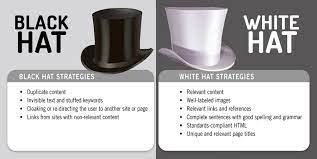
White hat SEO aims to serve users and follow search engine guidelines. Black hat SEO uses deceptive or manipulative methods to try to gain rankings quickly. Examples of risky practices include buying links intended to manipulate search results, cloaking content, hiding text, creating doorway pages and publishing large volumes of low-value content.
Some techniques may sit in a grey area or become risky depending on how they are used. When in doubt, consider whether a tactic would still make sense if search engines did not exist. If it benefits visitors and is transparent, it is more likely to support a sustainable strategy.
Benefits of a white hat approach
- More sustainable progress: Improvements are built around a website’s usefulness and quality rather than short-lived tricks.
- Greater audience trust: Accurate, clear content can help establish credibility with visitors.
- Reduced risk: Following search engine policies helps avoid the consequences associated with manipulative tactics.
- Better foundations: Work on content, accessibility and site structure can support users as well as organic search.
SEO results take time and depend on factors such as competition, website history, content quality and how frequently a topic changes. White hat SEO should therefore be treated as an ongoing investment rather than a one-off task.
How to measure white hat SEO
Measure progress against business and audience goals, not rankings alone. Useful indicators may include organic visits, relevant enquiries or sales, visibility for important search terms, engagement with key pages and the number of pages successfully indexed. Tools such as Google Search Console and website analytics platforms can help identify trends and technical issues.
Review performance regularly, but avoid making major changes in response to short-term fluctuations. Search results can shift for many reasons, so it is important to assess the wider trend and the quality of the traffic being attracted.
Building a long-term SEO strategy
A practical white hat SEO strategy starts with understanding an audience, researching its needs and reviewing the current website. From there, prioritise improvements to important pages, fix technical problems, publish useful content and promote it to relevant audiences. Continue to measure results and update pages when information becomes outdated.
White hat SEO is ultimately about earning visibility by making a website more valuable and accessible. By putting users first and following responsible practices, businesses can build a stronger online presence that is better placed to withstand changes in search technology.
Comprehensive Guide to 22 Frequently Asked Questions About White Hat SEO
- What does white hat SEO mean?
- What is an example of white hat SEO?
- What is white hat strategy?
- What is Black Hat SEO and white hat SEO?
- What is white hat SEO examples?
- What is an example of white hat optimization?
- How many white hat SEO techniques are there?
- What are some white hat SEO techniques?
- How do you use white hat SEO?
- What are the 4 types of SEO?
- What is white hat and black hat SEO?
- Is White Hat SEO good?
- What is black hat and white hat SEO?
- What is White Hat SEO?
- What is GREY hat SEO?
- What is black and white hat SEO techniques?
- What are examples of white hat SEO techniques?
- What is Blackhat and white hat SEO?
- What are the white hat SEO techniques?
- What are the 3 types of SEO?
- What is black hat in SEO?
- Is black hat SEO?
What does white hat SEO mean?
White hat SEO means improving a website’s visibility in search results by following search engine guidelines and focusing on visitors’ needs. It includes practices such as publishing useful, original content, making pages easy to navigate, improving technical performance and earning relevant links naturally. Unlike manipulative tactics intended to exploit ranking systems, white hat SEO aims to build sustainable visibility and trust over time.
What is an example of white hat SEO?
An example of white hat SEO is creating a clear, accurate guide that answers a question your audience is actively searching for. You might research relevant search terms, organise the information with descriptive headings, make the page easy to use on mobile devices and link to trustworthy sources. This helps visitors find useful information while making the page easier for search engines to understand—without relying on deceptive tactics or manipulative links.
What is white hat strategy?
A white hat strategy is an ethical approach to SEO that follows search engine guidelines and puts users first. It focuses on creating helpful, original content, making a website easy to navigate and technically accessible, and earning relevant links naturally. Rather than relying on deceptive shortcuts to manipulate rankings, a white hat strategy aims to build lasting visibility and trust over time.
What is Black Hat SEO and white hat SEO?
Black hat SEO uses manipulative tactics to try to improve search rankings, such as buying links, hiding text or publishing low-quality content at scale. These techniques can breach search engine guidelines and may lead to ranking losses or penalties. White hat SEO, by contrast, follows search engine guidelines and focuses on helping users through useful content, accessible website design and sound technical practices. In short, black hat SEO seeks shortcuts, while white hat SEO aims to build sustainable visibility over time.
What is white hat SEO examples?
White hat SEO examples include creating original, useful content that answers visitors’ questions; using relevant keywords naturally in page titles and headings; improving site speed and mobile usability; making pages easy for search engines to crawl; and earning relevant backlinks through genuinely valuable resources or industry relationships. These practices follow search engine guidelines and focus on helping users, rather than manipulating rankings.
What is an example of white hat optimization?
An example of white hat optimisation is improving a helpful webpage so it answers visitors’ questions more clearly. This might involve researching the terms people use, writing original and accurate content, organising it with descriptive headings, and making the page quick and easy to use on mobile devices. These changes support both visitors and search engines without relying on manipulative tactics such as keyword stuffing or buying links.
How many white hat SEO techniques are there?
There is no fixed number of white hat SEO techniques, as the term covers a broad range of ethical practices that evolve alongside search engines. Common techniques include creating helpful content, using relevant keywords naturally, improving site speed and mobile usability, strengthening internal linking, fixing technical issues and earning links through genuine outreach. The best mix depends on your website, audience and goals, so focus on practices that follow search engine guidelines and provide real value to visitors.
What are some white hat SEO techniques?
White hat SEO techniques focus on helping visitors while following search engine guidelines. They include creating original, useful content that answers people’s questions; researching and using relevant keywords naturally; improving site speed, mobile usability and accessibility; organising pages with clear headings and internal links; and making sure search engines can crawl and index important pages. You can also earn relevant backlinks by publishing valuable resources and building genuine industry relationships, rather than buying links or using manipulative tactics.
How do you use white hat SEO?
White hat SEO is used by improving a website in ways that follow search engine guidelines and genuinely help visitors. Start by researching what your audience is looking for, then create useful, original content that answers those needs and uses relevant keywords naturally. Make the site easy to navigate, mobile-friendly and technically accessible to search engines, and earn links by publishing valuable resources and building genuine relationships. Review performance regularly and update your content as needed, focusing on sustainable progress rather than quick ranking tricks.
What are the 4 types of SEO?
The four commonly recognised types of SEO are on-page, off-page, technical and local SEO. On-page SEO improves content and page elements, such as headings and titles; off-page SEO builds a website’s reputation through genuine mentions and relevant links; technical SEO helps search engines crawl and understand a site; and local SEO helps businesses appear in searches for nearby products or services. These areas often overlap, and a white hat strategy focuses on improving each in ways that are useful to visitors and follow search engine guidelines.
What is white hat and black hat SEO?
White hat SEO follows search engine guidelines and focuses on helping users through useful content, a well-structured website and ethical link-building. Black hat SEO uses deceptive or manipulative tactics—such as keyword stuffing, cloaking or buying links to influence rankings—which can lead to penalties or lost visibility. In short, white hat SEO aims for sustainable growth by earning trust, while black hat SEO seeks shortcuts that can put a website’s long-term performance at risk.
Is White Hat SEO good?
Yes, White Hat SEO is generally a good approach because it focuses on helpful content, a positive user experience and practices that follow search engine guidelines. It can support sustainable organic growth, build trust with visitors and reduce the risk of penalties associated with manipulative tactics. Results usually take time and are never guaranteed, but prioritising genuine value gives a website a stronger foundation for long-term visibility.
What is black hat and white hat SEO?
Black hat SEO uses deceptive or manipulative tactics to try to improve search rankings, such as buying links to influence results or hiding content from users. These methods can breach search engine guidelines and put a website at risk of penalties. White hat SEO, by contrast, follows those guidelines and focuses on providing helpful content, a good user experience and a technically sound website. It is generally a more sustainable approach, although results take time and are never guaranteed.
What is White Hat SEO?
White Hat SEO is the practice of improving a website’s visibility in search results by following search engine guidelines and focusing on people’s needs. It includes creating useful, original content, making pages easy to navigate, improving technical performance and earning relevant links naturally. Unlike manipulative tactics that may risk penalties or lost rankings, White Hat SEO aims to build sustainable visibility and trust over time.
What is GREY hat SEO?
Grey hat SEO refers to techniques that sit between recognised white hat practices and clear-cut black hat tactics. They may not explicitly break search engine guidelines, but they can involve taking risks or exploiting uncertainties in how those guidelines are applied. What counts as grey hat SEO can change as search engine policies evolve, so a tactic that seems acceptable today may later be considered manipulative. For a more sustainable approach, prioritise useful content, a good visitor experience and transparent optimisation practices.
What is black and white hat SEO techniques?
Black hat and white hat SEO describe two different approaches to improving search visibility. White hat techniques follow search engine guidelines and focus on helping users—for example, publishing useful content, improving site accessibility and earning relevant links naturally. Black hat techniques try to manipulate rankings through deceptive or spammy methods, such as keyword stuffing, cloaking or buying links to pass ranking value. While these tactics may sometimes bring short-term gains, they can put a website at risk of search engine penalties; white hat SEO is generally the more sustainable approach.
What are examples of white hat SEO techniques?
Examples of white hat SEO techniques include creating original, useful content that meets readers’ needs; researching and using relevant keywords naturally; improving page titles, headings and internal links; making a website fast, mobile-friendly and accessible; fixing technical issues that prevent search engines from finding or understanding pages; and earning relevant backlinks through valuable content and genuine industry relationships. These techniques focus on helping users and following search engine guidelines, rather than manipulating rankings.
What is Blackhat and white hat SEO?
Black hat SEO uses manipulative techniques—such as buying links to influence rankings, cloaking or keyword stuffing—that may breach search engine guidelines and put a website’s visibility at risk. White hat SEO, by contrast, focuses on following those guidelines and helping users through useful content, a well-structured website and ethical ways of earning links. While white hat SEO usually takes time to deliver results, it offers a more sustainable approach to improving search visibility.
What are the white hat SEO techniques?
White hat SEO techniques are ethical methods that follow search engine guidelines and focus on providing value to users. They include creating helpful, original content; researching and using relevant keywords naturally; improving website speed, mobile usability and accessibility; organising pages with clear headings and internal links; fixing technical issues so search engines can crawl and index the site; and earning relevant backlinks through quality content and genuine relationships. These practices support sustainable visibility without relying on deceptive tactics or attempts to manipulate rankings.
What are the 3 types of SEO?
The three main types of SEO are **on-page SEO**, **off-page SEO** and **technical SEO**. On-page SEO covers improvements made to a website’s content and page elements, such as headings, titles and internal links. Off-page SEO focuses on building a site’s reputation beyond its own pages, for example by earning relevant backlinks and mentions. Technical SEO helps search engines crawl, understand and index a website, with work such as improving site speed, mobile usability and site structure. A well-rounded white hat SEO strategy brings all three together while prioritising useful, trustworthy experiences for visitors.
What is black hat in SEO?
Black hat SEO refers to techniques that attempt to manipulate search engine rankings in ways that breach search engine guidelines. Examples include keyword stuffing, cloaking, buying links to pass ranking value and creating low-quality pages designed mainly to attract traffic. These tactics may lead to lost visibility or search engine penalties, so a sustainable SEO strategy focuses instead on useful content, a positive user experience and ethical promotion.
Is black hat SEO?
No. Black hat SEO is the opposite of white hat SEO: it uses manipulative tactics, such as buying links to influence rankings, cloaking or keyword stuffing, rather than focusing on users and following search engine guidelines. These methods can put a website at risk of ranking penalties, so a sustainable SEO strategy should use ethical, user-focused practices instead.











Leave a Comment