
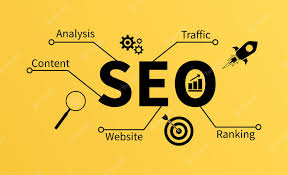
SEO Search: A Practical Guide to Improving Your Search Engine Visibility
SEO Search: How to Improve Your Visibility in Search Engines
When people need information, products or services, they often begin with a search engine. For businesses, appearing in relevant search results can help attract visitors who are already looking for what they offer. SEO search refers to the ways a website can be optimised to improve its visibility in organic, unpaid search results.
Search engine optimisation (SEO) is not a single trick or a quick fix. It is an ongoing process that combines useful content, technical improvements and a clear understanding of what people are searching for.
What does SEO search mean?
SEO search is commonly used to describe the relationship between search engine optimisation and the way people search online. It can include finding the right search terms, creating content that answers users’ questions and making sure a website can be accessed and understood by search engines.
Organic results are different from paid advertisements. A business can pay to place adverts in search results, but organic rankings are influenced by many factors, including the usefulness and relevance of a page, the quality of the website and the experience it provides to visitors.
How do search engines work?
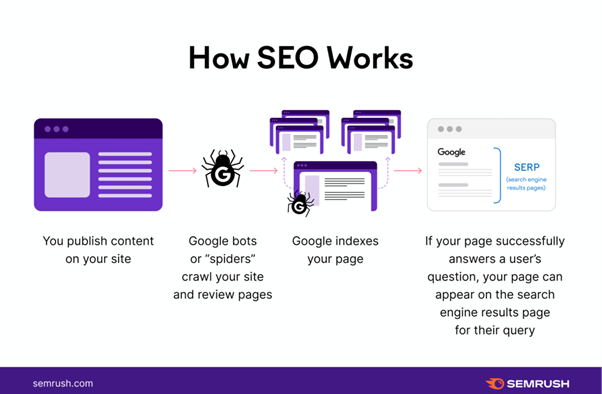
Search engines use automated systems to discover pages, interpret their content and decide which pages may be useful for a particular search. This process is often described in three stages:
- Crawling: Automated programmes discover pages by following links and using information provided by websites.
- Indexing: Search engines analyse and store information about pages they can access.
- Ranking: When someone searches, systems select and order results that are likely to be relevant and helpful.
The exact systems used by search engines change over time. No one can guarantee a particular ranking, so effective SEO focuses on making a site valuable and accessible rather than trying to manipulate results.
Why search intent matters
A search term provides a clue about what someone wants to do. A person searching for “how to clean a coffee machine” may want instructions, while someone searching for “buy coffee machine” is more likely to be comparing products or preparing to make a purchase.
Understanding this intent helps businesses create pages that match the search. A practical guide may suit an informational query; a product or service page may be more appropriate for someone ready to buy. Content that answers a different question from the one a visitor has is less likely to be useful, even if it includes the same keywords.
Key parts of an SEO strategy
Keyword and topic research
Keyword research helps identify the phrases people use when looking for information, products or services. It should be used to understand audiences and plan relevant content, not to insert search terms unnaturally. Related questions and broader topics can also reveal what a page should cover.
Helpful, well-structured content
Strong content is accurate, clear and written for its intended audience. Use descriptive headings, concise paragraphs and examples where they help explain a subject. Each page should have a clear purpose and provide information that is genuinely useful.
On-page optimisation
On-page SEO involves improving elements on individual pages. This may include page titles, headings, image descriptions, internal links and page copy. These elements should describe the page accurately and help visitors find their way around the site.
Technical SEO
Technical SEO helps search engines access and understand a website. Common areas to review include page loading performance, mobile usability, secure connections, broken links and duplicate pages. A logical site structure can also make it easier for visitors and search engines to navigate content.
Trust and authority
People are more likely to rely on content that is clear about who created it and why. Accurate information, transparent business details and appropriate references can help establish trust with visitors. Links from other relevant websites may also help people discover a site, but links should be earned naturally rather than obtained through manipulative schemes.
How to measure SEO performance
SEO results should be measured against business goals, not just rankings. Useful indicators may include organic visits, the search terms bringing people to the site, enquiries, sales and engagement with important pages. Search performance can fluctuate, so it is helpful to review results over time and consider changes to the website, the market and search behaviour.
Common SEO mistakes to avoid
- Repeating keywords excessively, making content difficult to read.
- Publishing pages that offer little value or duplicate existing content.
- Ignoring mobile visitors and page usability.
- Expecting immediate results from changes that may take time to be reflected in search results.
- Relying on promises of guaranteed rankings.
Conclusion
SEO search is about helping the right people find useful pages through search engines. A sustainable approach starts with understanding what visitors need, then building a website that is clear, accessible and worthwhile. With regular measurement and thoughtful improvements, SEO can become a valuable part of a business’s wider digital marketing strategy.
SEO Explained: 18 Frequently Asked Questions About Search Engine Optimisation in 2026
- What are the 3 types of SEO?
- How do I search for SEO?
- Does SEO work in 2026?
- Whats SEO stand for?
- How to use SEO search engine?
- What is SEO process?
- What are the 5 types of SEO?
- How can I do SEO for my website?
- What are the 4 types of SEO?
- What is SEO and why is it used?
- What is SEO and how to do it?
- What do you mean by SEO?
- What is SEO in Web search?
- How to do SEO searches?
- How do you do SEO searches?
- How is SEO work?
- Is SEO for free?
- What is an example of SEO?
What are the 3 types of SEO?
The three main types of SEO are on-page SEO, off-page SEO and technical SEO. On-page SEO focuses on the content and elements of individual pages, such as headings, keywords and internal links. Off-page SEO covers signals beyond your website, including reputable links and mentions from other sites. Technical SEO improves how search engines access and understand your site, with work on areas such as page speed, mobile usability, indexing and site structure. Together, these areas help make a website more useful to visitors and easier to discover in search results.
How do I search for SEO?
To search for SEO, enter a clear phrase into a search engine, such as “SEO basics”, “SEO services for small businesses” or “how to improve website rankings”. Add details about your goal, location or industry to find more relevant results, and compare information from reputable sources. If you are looking for a provider, review their services, case studies, pricing and approach, and be cautious of anyone promising guaranteed rankings.
Does SEO work in 2026?
Yes, SEO still works in 2026, but it takes a considered, long-term approach. Search engines continue to help people discover websites, products and services, while ranking systems increasingly reward useful, trustworthy content and a positive user experience. Businesses should focus on answering their audience’s questions, keeping their websites technically accessible and measuring outcomes such as relevant visits, enquiries and sales—not relying on shortcuts or guaranteed rankings. Results can take time and vary by industry, competition and website, so ongoing improvements are essential.
Whats SEO stand for?
SEO stands for Search Engine Optimisation. It refers to improving a website so that search engines can better understand its content and show it to people searching for relevant information, products or services. SEO focuses on improving visibility in organic, unpaid search results.
How to use SEO search engine?
To use a search engine for SEO, start by entering the words or questions your audience is likely to search for, then review the results to understand what information they need and which types of pages appear. Look for relevant topics, related search suggestions and common questions to guide your keyword research and content planning. Use these insights to create clear, helpful pages that answer the searcher’s query, and avoid simply copying competitors or repeating keywords unnaturally. Search engines are also useful for checking how your pages appear in results, while analytics and search performance tools can help you track visits, queries and progress over time.
What is SEO process?
The SEO process is a series of ongoing steps designed to improve a website’s visibility in organic search results. It usually begins with researching relevant keywords and understanding what people are looking for, followed by reviewing the website’s technical performance and content. Pages are then improved to make them useful, accessible and relevant, while reputable links can help build the site’s authority. Finally, performance is monitored using measures such as organic traffic, rankings and enquiries, and the strategy is refined over time.
What are the 5 types of SEO?
The five commonly recognised types of SEO are on-page SEO, off-page SEO, technical SEO, local SEO and content SEO. On-page SEO improves elements on individual pages, such as headings and page titles, while off-page SEO focuses on signals beyond your website, including relevant, naturally earned links. Technical SEO helps search engines access and understand your site; local SEO supports visibility in location-based searches; and content SEO centres on creating useful, well-structured material that meets people’s needs. These areas overlap, and the right balance depends on your website and business goals.
How can I do SEO for my website?
To do SEO for your website, start by understanding what your audience is searching for and create useful, original content that answers their questions. Use relevant search terms naturally in page titles, headings and copy, and organise your pages with clear navigation and internal links. Make sure your site works well on mobile, loads quickly, uses HTTPS and can be accessed by search engines. Keep business information accurate, earn relevant links by providing value, and use tools such as Google Search Console to monitor performance and identify issues. SEO takes time, so review your results regularly and improve your pages based on what visitors need.
What are the 4 types of SEO?
The four main types of SEO are on-page, off-page, technical and local SEO. On-page SEO covers improvements to a website’s content and page elements, such as headings and titles. Off-page SEO focuses on signals beyond the site, including earning relevant, trustworthy links. Technical SEO helps search engines access and understand a website, while also improving aspects such as site speed and mobile usability. Local SEO helps businesses appear in searches connected to a particular area, often through accurate business details and local listings. These areas overlap, and the right balance depends on a website’s goals and audience.
What is SEO and why is it used?
SEO, or search engine optimisation, is the process of improving a website so that it is easier for search engines to understand and more likely to appear in relevant organic search results. It is used to help people find useful information, products or services online, attract more relevant visitors to a website and support goals such as enquiries or sales. SEO can involve creating helpful content, improving site structure and usability, and addressing technical issues; results usually take time and cannot be guaranteed.
What is SEO and how to do it?
SEO (search engine optimisation) is the process of improving a website so that it is easier for search engines to understand and more likely to appear in relevant, unpaid search results. To get started, research the terms your audience uses and create useful, accurate content that answers their questions. Organise each page with clear headings and descriptive titles, make your site easy to use on mobile devices, improve loading speed and link related pages together. SEO takes time, so monitor visits and enquiries, review what is working and update your content regularly; no legitimate provider can guarantee a particular ranking.
What do you mean by SEO?
SEO stands for search engine optimisation. It is the process of improving a website so search engines can understand its content and people can find it more easily in relevant, unpaid search results. SEO can involve creating useful content, using clear page titles and headings, improving site speed and mobile usability, and making navigation straightforward. The aim is to attract the right visitors by providing a helpful experience—not simply to achieve higher rankings.
What is SEO in Web search?
SEO (search engine optimisation) is the process of improving a website so that search engines can understand its content and people can find it more easily in unpaid search results. It includes creating useful, relevant content, organising pages clearly and ensuring the website works well on mobile devices and loads reliably. SEO aims to connect a page with people searching for related information, products or services; it cannot guarantee a particular ranking or an immediate result.
How to do SEO searches?
To carry out SEO searches, start by identifying the topics your audience is interested in and the questions they ask. Use keyword research tools, search engine suggestions and related searches to find relevant phrases, then review the results to understand what people expect to see—for example, a guide, product page or local service. Group similar terms by search intent and use them naturally in helpful page titles, headings and content. Track organic traffic and conversions over time, and update your research as your audience’s needs and search trends change.
How do you do SEO searches?
To carry out SEO searches, start by identifying the topic, product or service you want to research, then use a keyword research tool or search engine to explore the phrases people use. Look at autocomplete suggestions, related searches and the questions shown in results to discover variations and user intent. Assess whether people are seeking information, comparing options or ready to buy, and note the types of pages that rank for each query. Use these insights to plan useful content, choosing relevant search terms naturally rather than stuffing them into a page.
How is SEO work?
SEO works by helping search engines find, understand and rank your website’s pages for relevant searches. It involves researching the terms people use, creating useful content that matches their needs, improving your site’s structure and technical performance, and building trust through a positive user experience and relevant links. SEO is an ongoing process, and results usually take time; rankings and traffic can change as search engines, competitors and user behaviour evolve.
Is SEO for free?
SEO can be free in the sense that you do not pay search engines for organic rankings or clicks. However, improving your visibility takes time and effort, and you may have costs for tools, website development, content creation or professional SEO support. The amount you spend depends on your goals and resources, but no service can guarantee a particular ranking.
What is an example of SEO?
An example of SEO is a local plumber optimising a webpage for searches such as “emergency plumber in Manchester”. The page might clearly describe the services offered, include accurate contact details and service areas, and use a helpful title and headings. This can make the page easier for search engines to understand and more relevant to people looking for a plumber nearby. SEO can improve the chance of appearing in organic search results, but it cannot guarantee a particular ranking.







Leave a Comment