
SEO Meaning in Business: A Guide for UK Businesses
SEO Meaning in Business: What It Is and Why It Matters
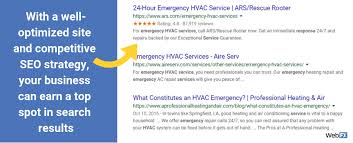
In business, SEO means search engine optimisation. It is the process of improving a website so that it is easier for search engines such as Google to understand and more likely to appear in relevant, unpaid search results.
For a business, SEO is about helping potential customers find its products, services or expertise when they search online. It can support brand awareness, attract relevant visitors and contribute to enquiries and sales over time.
What does SEO involve?
SEO is not a single task or a way to guarantee a particular position in search results. It brings together several activities that help a website serve users and search engines effectively.
- Keyword and audience research: Understanding what potential customers search for, and what information or services they need.
- Useful content: Creating clear, accurate pages that answer relevant questions and explain what the business offers.
- On-page optimisation: Improving page titles, headings, descriptions, links and content so that each page is easy to understand.
- Technical SEO: Addressing issues such as slow loading, broken links, mobile usability and whether search engines can access and index the site.
- Off-page signals: Building the website’s reputation through genuine mentions, references and links from other relevant websites.
- Local SEO: Helping businesses that serve a particular area appear in location-related searches, including through accurate business details and local listings.
Why is SEO important for businesses?
Many people use search engines to compare options, find suppliers and research purchases. If a business’s website is visible for searches relevant to its work, it has a better chance of being considered by those potential customers.
SEO can also help a business reach people who are actively looking for a particular product, service or answer. Unlike many forms of advertising, organic search visibility does not usually involve paying for each click. However, SEO still requires investment in time, expertise, content and website improvements.
Results can take time, and rankings are influenced by factors outside a business’s control. SEO is best treated as a long-term part of a wider marketing strategy, rather than a quick fix or a guaranteed source of sales.
How SEO can support business goals
A well-planned SEO programme should be connected to clear business objectives. Depending on the organisation, these might include:
- increasing relevant visits to the website;
- generating enquiries, bookings or quote requests;
- helping customers discover particular products or services;
- building trust through helpful information and a professional online presence; or
- improving visibility in a specific town, region or market.
Website traffic alone is not necessarily a sign of success. A smaller number of visitors who are genuinely interested in the business may be more valuable than a large volume of unrelated visits. Businesses should measure SEO against meaningful outcomes, such as qualified enquiries, online sales or bookings.
SEO and paid search: what is the difference?
SEO aims to improve a website’s visibility in unpaid, or organic, search results. Paid search involves paying to show adverts for selected searches. Paid campaigns can provide visibility while they are running, whereas SEO focuses on building organic visibility over time. The two approaches can complement one another, but they work differently and should be measured separately.
Getting started with SEO
A business can begin by making sure its website clearly explains what it offers, who it serves and how customers can get in touch. It should be easy to use on mobile devices, load reliably and contain accurate, helpful information.
Next, identify the searches that matter to the business and review whether the website has useful pages for them. Check that page titles and headings describe the content, business details are consistent, and important pages can be reached through clear navigation. Analytics and search performance tools can then help track visibility, visits and actions taken by users.
Be cautious of promises to secure instant rankings or guaranteed positions. Search engines regularly update how they rank pages, and no provider can control every result. Sustainable SEO focuses on useful content, sound technical foundations and a good experience for visitors.
In summary
SEO in business means improving a website’s visibility in relevant organic search results so that potential customers can find and use it. Done thoughtfully, it can support marketing and business goals, but it takes ongoing effort and does not guarantee immediate results. The most effective approach puts the needs of customers first and measures success by the outcomes that matter to the business.
SEO for Business: What It Means and Five Tips to Get Started
- SEO means search engine optimisation.
- It helps customers find your business online.
- Use relevant keywords on your website.
- Create useful, trustworthy content.
- Track rankings, traffic and enquiries.
SEO means search engine optimisation.
SEO stands for search engine optimisation: the process of improving a website so it can appear more prominently in relevant, unpaid search results. For businesses, this helps potential customers find their products, services or expertise when searching online. SEO can involve creating useful content, improving website structure and performance, and making pages easier for search engines to understand.
It helps customers find your business online.
SEO helps customers find your business online by improving your visibility when they search for products, services or information related to what you offer. By using relevant terms and providing helpful, well-organised content, your website is more likely to appear in suitable search results. This can bring more interested visitors to your site and make it easier for potential customers to learn about your business and get in touch.
Use relevant keywords on your website.
Use relevant keywords on your website by including the words and phrases your potential customers are likely to search for when looking for your products or services. Add them naturally to page titles, headings and useful body content, making sure each page answers a clear customer need. Avoid cramming in repeated phrases: keyword stuffing can make your content difficult to read and may harm the user experience. Focus on clear, helpful information that reflects what your business genuinely offers.
Create useful, trustworthy content.
Creating useful, trustworthy content is central to SEO in business because it helps potential customers find clear, reliable answers to their questions. Focus on information that genuinely supports your audience, explain your products or services accurately, and keep important details up to date. Avoid exaggerated claims and content written solely to attract search traffic. When visitors find your website helpful and credible, they are more likely to trust your business, explore what you offer and take the next step.
Track rankings, traffic and enquiries.
Track rankings, website traffic and enquiries to understand how SEO is contributing to your business. Rankings show whether your pages are becoming more visible for relevant searches, while traffic reveals how many people are visiting your site from search engines. Most importantly, monitor meaningful actions such as calls, form submissions, bookings or sales. Reviewing these measures regularly helps you identify what is working, spot opportunities for improvement and focus your SEO efforts on outcomes that support your business goals.








Leave a Comment