
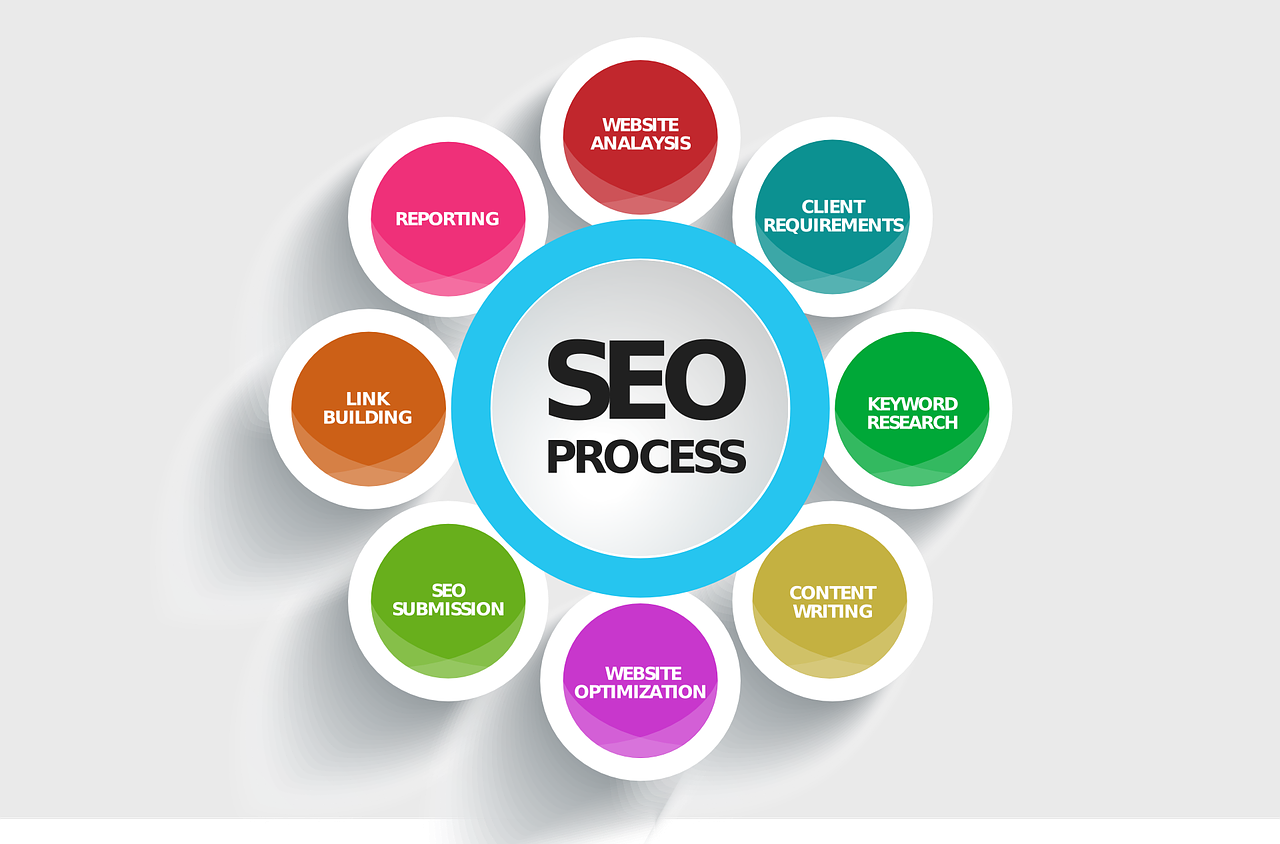
Search Engine Optimization Content: A Practical Guide to Creating Content That Ranks
Search Engine Optimisation Content: A Practical Guide
Search engine optimisation (SEO) content is content created to help people find useful, relevant information through search engines. It can also help a business attract the right audience, answer customers’ questions and support its wider marketing goals.
Effective SEO content is not simply a collection of keywords. It combines a clear understanding of what people are looking for with accurate, engaging information that is easy to read and navigate.
What is SEO content?
SEO content is any online material planned or improved to perform well in organic search results. It includes written pages, but can also involve images, video and other formats. Common examples include:
- Service and product pages
- Blog articles and practical guides
- Frequently asked questions
- Category and location pages
- Case studies and comparison pages
Each format serves a different purpose. A product page may help someone compare options, while a guide might explain a subject in more depth. The best format depends on the needs of the audience and the topic.
Why does SEO content matter?
People use search engines to find answers, compare services and make decisions. Content that addresses those needs can make a website easier to discover and more useful to visitors. Over time, well-planned content may help a business:
- Reach people who are actively searching for relevant information
- Build trust by demonstrating knowledge and expertise
- Explain products or services clearly
- Support enquiries, bookings or sales
- Strengthen the overall usefulness of its website
Results are not immediate or guaranteed. Search visibility depends on many factors, including the quality of a page, the competition for a topic and the technical health of the website.
How to create effective SEO content
Understand the audience
Start by identifying who the content is for and what they need. Consider their questions, concerns and level of familiarity with the subject. A useful page should address a real need rather than exist solely to target a search phrase.
Research search intent
Search intent is the reason behind a search. Someone looking for “what is SEO content” is likely seeking an explanation, while someone searching for “SEO content services” may be comparing providers. Review the wording of searches and the types of pages appearing in results to understand what users expect.
Choose a focused topic
Give each page a clear purpose. A focused topic makes it easier to organise the information and helps readers understand what the page offers. Avoid creating several pages that cover the same subject in almost identical ways; this can make the site harder to navigate and maintain.
Create a clear structure
Use a descriptive title, a useful introduction and headings that guide readers through the subject. Short paragraphs, lists and informative subheadings make content easier to scan. This is particularly valuable for readers using mobile devices or looking for a specific answer.
Write naturally and accurately
Include relevant terms where they fit, but prioritise clarity and accuracy. Repeating keywords unnaturally can make a page difficult to read. Explain specialist language, provide helpful examples and support factual claims with reliable sources where appropriate.
Add useful links
Internal links can help visitors find related pages and give them a clearer route through your website. Link using descriptive wording so that readers know what to expect. Where suitable, refer to trustworthy external sources that add context or support important information.
Review and update
Information can become outdated, and the needs of your audience may change. Review important pages periodically to check that details are still correct, links work and the content remains useful. Updates should improve the page, not just change the publication date.
SEO content and on-page basics
Content works alongside several on-page elements. A page should have a distinct, descriptive title and a concise meta description that accurately summarises its contents. Images should be relevant and appropriately sized, with alternative text provided when it helps explain the image to people using assistive technology.
Good page performance and mobile usability also matter to visitors. Make sure the content is readable on different screen sizes, the page loads reliably and navigation is straightforward. These practical details support a better experience as well as a sound SEO approach.
How to measure performance
Choose measures that reflect the purpose of each page. Useful indicators may include organic visits, search impressions, clicks, engagement, enquiries or sales. A guide designed to build awareness may not generate immediate sales, so judge it against suitable goals and allow time for meaningful trends to emerge.
Use analytics and search performance tools to identify pages that attract relevant visitors, queries where visibility is improving and areas that may need attention. Treat the data as a guide: numbers are most useful when considered alongside the quality of the visitor experience and the outcomes that matter to the business.
Common mistakes to avoid
- Writing primarily for search engines instead of people
- Repeating keywords excessively
- Publishing thin or generic pages with little practical value
- Copying content from other websites
- Creating pages without a clear audience or purpose
- Leaving important information out of date
- Expecting content alone to resolve technical website problems
Conclusion
Successful search engine optimisation content starts with people: what they want to know, what problems they need to solve and what information will help them take the next step. By combining thoughtful research, clear writing, sound page structure and regular review, businesses can create content that is useful to readers and easier for search engines to understand.
8 Essential Tips for Effective SEO Content Creation
- Research what your audience is searching for.
- Use one clear topic per page.
- Write helpful, original content.
- Include target phrases naturally.
- Create clear, descriptive headings.
- Write concise, compelling title tags.
- Add descriptive alt text to images.
- Update content when information changes.
Research what your audience is searching for.
Researching what your audience is searching for helps you create content that answers real questions and meets their needs. Use keyword research tools, search suggestions and customer enquiries to discover the words and topics people use, then consider the intent behind each search. This makes it easier to plan useful, relevant content that connects with readers and can be found through search engines.
Use one clear topic per page.
Give each page one clear topic so readers can quickly understand what it covers and find the information they need. Keep the headings and supporting details focused on that subject, and avoid combining unrelated topics on the same page. This creates a clearer, more useful experience and helps search engines understand the page’s purpose.
Write helpful, original content.
Write helpful, original content that gives readers clear answers, practical advice or a fresh perspective. Focus on your audience’s needs rather than simply repeating keywords or information already available elsewhere. Use your own expertise and examples, check facts carefully and make the page easy to read. Content that genuinely helps people is more likely to earn their trust and support your website’s long-term search visibility.
Include target phrases naturally.
Include your target phrases naturally by using them where they genuinely fit the topic and help readers understand the page. For example, if you are writing about search engine optimisation content, use that phrase in a relevant heading or sentence, alongside related terms where appropriate. Avoid forcing keywords into every paragraph; clear, useful writing should always come first.
Create clear, descriptive headings.
Create clear, descriptive headings to help readers understand what each section covers and find the information they need. Use a logical structure, with one main heading followed by relevant subheadings, and make each heading specific rather than vague. This improves readability, especially for people scanning a page, and helps search engines understand how the content is organised. Keep headings natural and informative, rather than squeezing in keywords where they do not fit.
Write concise, compelling title tags.
Write concise, compelling title tags that clearly describe the page and give people a reason to click. Place the main topic near the beginning where it reads naturally, and make each title unique and accurate. Avoid keyword stuffing and unnecessary wording; a clear, relevant title is more useful to both searchers and search engines.
Add descriptive alt text to images.
Add descriptive alt text to images to explain their content and purpose to people using screen readers, and to provide context when an image cannot be displayed. Keep it concise and accurate, describing what is relevant to the surrounding page rather than stuffing it with keywords. For purely decorative images, use empty alt text so assistive technology can skip them.
Update content when information changes.
Update your content whenever the information it contains changes. Review important pages regularly to check that facts, prices, dates, links and recommendations are still accurate, and revise them promptly when they are not. Keeping content current helps readers make informed decisions, maintains trust in your business and ensures search engines can find useful, reliable information on your website.








Leave a Comment