
What SEO Stands For and Why It Matters
What Does SEO Stand For?
SEO stands for Search Engine Optimisation. It refers to the process of improving a website so that it is more likely to appear prominently in unpaid results on search engines such as Google and Bing.
The aim of SEO is not simply to attract more visitors. It is to help the right people find useful, relevant content when they search for information, products or services. A well-planned SEO strategy can make a website easier to discover, navigate and understand.
What does search engine optimisation involve?
SEO brings together several activities that help search engines understand a website and assess how useful it may be to searchers. These activities are commonly grouped into three areas:
- On-page SEO: Improving elements on individual pages, such as headings, page titles, written content, images and internal links.
- Technical SEO: Making sure a website can be crawled and indexed, loads efficiently, works well on mobile devices and offers a secure browsing experience.
- Off-page SEO: Building a website’s reputation and authority through relevant mentions, links and other signals from across the web.
How does SEO work?
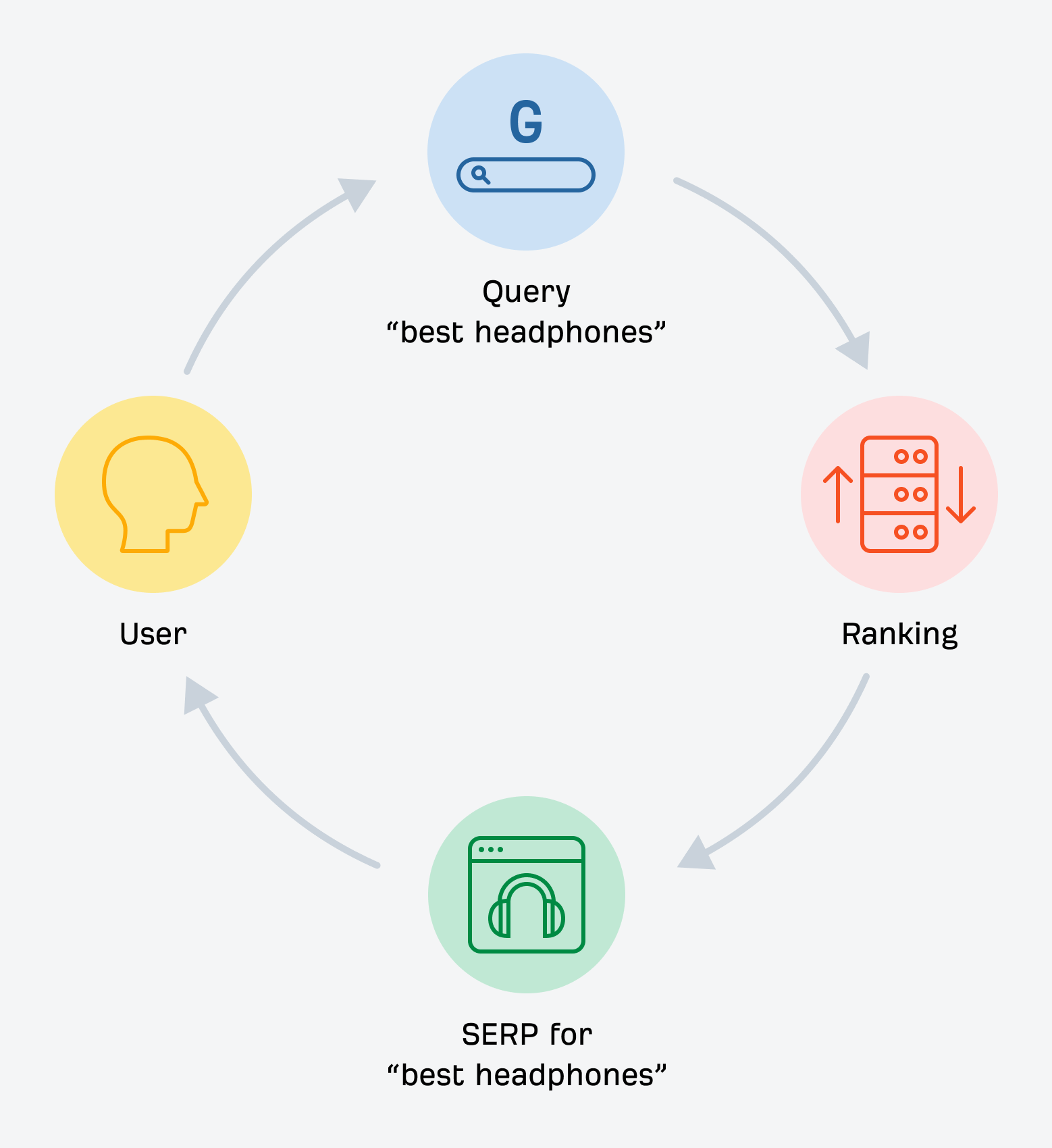
Search engines use automated systems to discover and organise web pages. When someone searches for a phrase, the search engine considers many factors to decide which pages are likely to provide the most helpful results.
These factors can include how closely a page matches the search, the quality and usefulness of its content, the experience it provides and the credibility of the website. Search algorithms change over time, so SEO is an ongoing process rather than a one-off task.
Why is SEO important?
People often use search engines to find answers, compare options and choose businesses. Appearing in relevant search results can help a website reach potential customers at the moment they are looking for something it offers.
SEO can also improve the overall quality of a website. Clear navigation, useful information, descriptive page titles and quick-loading pages benefit visitors as well as search engines.
SEO is more than keywords
Keywords are the words and phrases people enter into search engines, and they can help guide the content a website creates. However, effective SEO is not about repeating keywords as often as possible. Search engines aim to show people helpful results, so content should answer their questions clearly and accurately.
A strong approach considers the needs behind a search, uses natural language and provides information that is genuinely useful. It also pays attention to the technical performance and usability of the website.
How long does SEO take?
SEO usually takes time. Results can depend on factors such as a website’s age, its current condition, the level of competition and the work being carried out. Some improvements may have an effect sooner than others, but lasting progress generally requires consistent effort and regular measurement.
In summary
SEO stands for Search Engine Optimisation: the practice of improving a website’s visibility in unpaid search results. By combining useful content, sound technical foundations and a positive experience for visitors, SEO can help the right audience find a website and make better use of it.
What Does SEO Stand For? 9 Simple Facts and Tips for Beginners
- SEO stands for Search Engine Optimisation.
- SEO helps websites appear in search results.
- Use relevant keywords naturally in your content.
- Write clear, descriptive page titles.
- Create useful content for your readers.
- Use headings to organise each page.
- Make your website mobile-friendly.
- Add descriptive text to images.
- Keep pages quick to load.
SEO stands for Search Engine Optimisation.
SEO stands for Search Engine Optimisation, the process of improving a website so it is easier to find in unpaid search engine results. It involves creating helpful content, making pages clear and easy to use, and ensuring the site works well on different devices. The goal is to help people find relevant information, products or services when they search online.
SEO helps websites appear in search results.
SEO stands for Search Engine Optimisation, the process of improving a website so search engines can understand its content and show it to people looking for relevant information, products or services. By creating useful content, using clear page titles and headings, and ensuring the site works well on mobile devices, businesses can improve their chances of appearing in relevant search results and reaching the right audience.
Use relevant keywords naturally in your content.
Use relevant keywords naturally in your content to help search engines and readers understand what each page is about. Choose words and phrases that reflect the topics your audience is searching for, then include them where they fit—such as in headings and body text. Avoid forcing keywords into sentences or repeating them excessively; clear, helpful writing should always come first.
Write clear, descriptive page titles.
Write clear, descriptive page titles to help people and search engines understand what each page is about. A good title accurately reflects the page’s content, includes relevant search terms naturally and gives readers a reason to click. Keep it concise, make every title unique and avoid cramming in keywords, which can make it difficult to read.
Create useful content for your readers.
Create useful content for your readers by focusing on the questions they ask and the information they need. Explain topics clearly, offer practical advice and make sure each page delivers on its promises. Rather than forcing keywords into your writing, use them naturally where they help describe the subject. Helpful, relevant content can build trust with your audience and support your SEO by giving search engines a clearer understanding of what your pages offer.
Use headings to organise each page.
Use headings to organise each page so visitors can quickly understand its structure and find the information they need. Start with one clear main heading, then use subheadings in a logical order to introduce each section. Descriptive headings make content easier to scan, improve accessibility and help search engines understand what each part of the page is about. Keep them concise and relevant, and avoid adding keywords where they do not read naturally.
Make your website mobile-friendly.
Make your website mobile-friendly so visitors can use it easily on smartphones and tablets. Use a responsive design that adapts to different screen sizes, keep pages quick to load, and make text, menus and buttons easy to read and tap. A smooth mobile experience can help visitors find what they need and supports good SEO, as search engines consider mobile usability when assessing websites.
Add descriptive text to images.
Adding descriptive text to images helps search engines and people using screen readers understand what each image shows. Write concise, accurate alt text that explains the image’s purpose in context, rather than stuffing it with keywords. For decorative images that add no useful information, use empty alt text so assistive technology can skip them.
Keep pages quick to load.
Keep pages quick to load. A fast-loading website makes it easier for visitors to find what they need and can contribute to a better user experience. Compress images, reduce unnecessary scripts and choose reliable hosting to help improve loading times. Check performance on both mobile and desktop devices, as people may visit your site using a range of connections and screens.


Leave a Comment