

Real Estate SEO Services: A Practical Guide for Property Businesses
Real Estate SEO Services: A Practical Guide for Property Businesses
For estate agents, letting agencies, property developers and other businesses in the property sector, a strong online presence can help attract people who are actively searching for property or professional advice. Real estate SEO services improve a website’s visibility in search engine results, helping potential clients discover relevant listings and services.
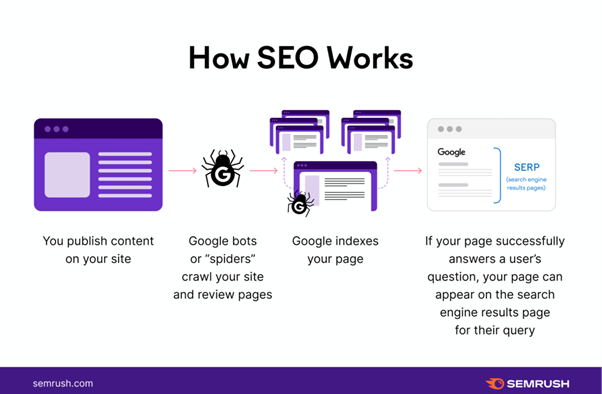
SEO, or search engine optimisation, is not a quick fix or a guarantee of specific rankings. It is an ongoing process that combines useful content, sound website performance and clear information about a business. When these elements work together, they can make it easier for search engines and prospective clients to understand what a property business offers.
What do real estate SEO services include?
Real estate SEO services are tailored to the way people search for homes and property professionals. A buyer might look for a flat in a particular neighbourhood, while a landlord may need help finding a letting agent. SEO can help a business reach these different audiences by improving relevant pages and making the website easier to use.
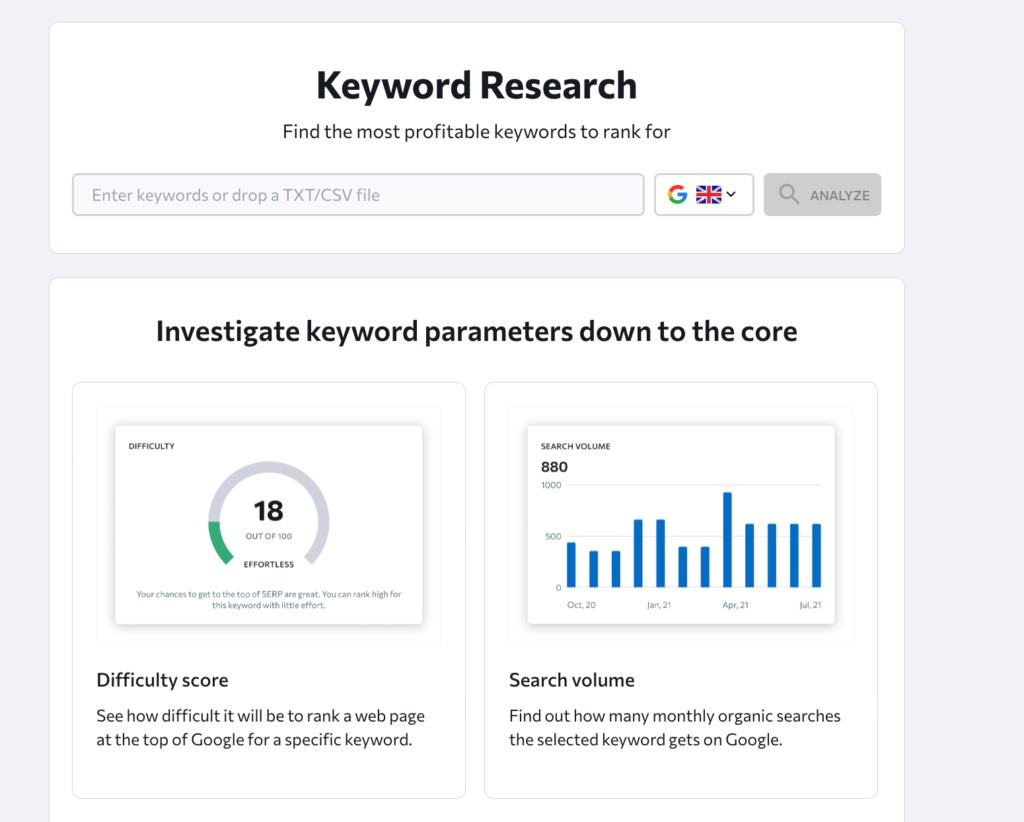
Keyword and search-intent research
Keyword research identifies the terms people use when looking for property, valuations, lettings or related services. The aim is not simply to add popular phrases to a website. It is to understand what a searcher needs and create a useful page that meets that need.
For example, someone searching for “houses for sale in Bristol” is likely to want property listings, whereas someone searching for “how much is my house worth in Bristol” may be looking for a valuation. These searches call for different pages and information.
Local SEO
Property searches are often location-specific, so local SEO is an important part of many real estate campaigns. This can include keeping business details consistent across online directories, improving a Google Business Profile, collecting genuine customer reviews and creating pages that clearly describe the areas served.
Local pages should offer more than a place name inserted into a template. Useful neighbourhood information, local market knowledge and relevant property listings can give visitors a better reason to explore the site.
Website content and property pages
High-quality content helps answer the questions buyers, sellers, landlords and tenants are likely to ask. Depending on the business, this might include area guides, buying and selling advice, rental information, property market updates or explanations of the services offered.
Property listings also need clear, informative details. Accurate descriptions, suitable headings, useful images and up-to-date availability can improve the experience for visitors. Each page should have a clear purpose and avoid repeating the same generic text across multiple listings or locations.
Technical SEO
Technical SEO focuses on how well a website can be accessed, understood and used. For real estate websites, important considerations may include:
- Fast loading times, particularly on mobile devices
- Simple navigation and clear page structure
- Secure browsing with HTTPS
- Working internal links and no unnecessary duplicate pages
- Search-friendly property filters and listing pages
- Accurate page titles and descriptions
- Structured data where it is appropriate and supported
Property websites can contain many listings and filter combinations. If these pages are not managed carefully, search engines may encounter duplicate or low-value URLs. A technical review can help identify issues and ensure that important pages are easier to find.
Why SEO matters to property businesses
People often research property online before contacting an agent, developer or adviser. A well-organised website can help a business appear for relevant searches and provide useful information before a conversation begins.
SEO can also support longer-term visibility. Paid advertising can bring traffic while a campaign is running, whereas organic search visibility may continue to attract visitors over time. Results depend on competition, the website’s starting point, the quality of the work and changes in search behaviour, so SEO should be viewed as a continuing investment rather than an instant source of leads.
Choosing a real estate SEO provider
When comparing providers, look for a clear explanation of the work they propose and how progress will be assessed. A reputable provider should be prepared to discuss the following:
- The current strengths and weaknesses of your website
- Which audiences, locations and services the strategy will focus on
- How content will be planned, reviewed and kept accurate
- Which technical improvements are recommended and why
- How performance will be reported
- What is included in the fee and what may involve extra costs
Be cautious of guaranteed rankings, claims of instant results or vague promises of large numbers of backlinks. Search engines regularly change how they display results, and no provider can reliably guarantee a particular position. Sustainable SEO is based on relevant content, sound technical work and a positive experience for visitors.
How to measure SEO performance
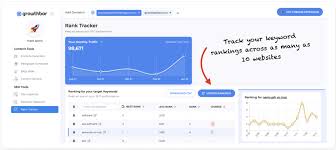
Rankings can be useful to monitor, but they are only one part of the picture. A more rounded assessment may include organic website visits, enquiries, calls, valuation requests, viewing bookings and the performance of key location or service pages.
It is also important to consider the quality of enquiries, not just their quantity. Tracking which pages and search journeys lead to meaningful conversations can help a property business refine its website and marketing priorities.
Build a stronger online presence
Effective real estate SEO brings together local visibility, useful property information, technically sound pages and a clear understanding of what prospective clients are looking for. With a considered strategy and regular improvements, property businesses can make their websites more discoverable and more helpful to the people they want to reach.
Enhancing Property Success: The Six Key Benefits of Real Estate SEO Services
- Improves visibility in local property searches
- Attracts buyers, sellers, landlords and tenants
- Builds trust with useful, relevant content
- Generates enquiries over time
- Helps showcase property listings online
- Supports measurable marketing decisions
7 Drawbacks of Real Estate SEO Services: Challenges and Considerations
- Results can take months to appear.
- SEO requires ongoing investment.
- Competitive areas can be difficult to rank in.
- Search engine updates may affect visibility.
- Leads are not guaranteed.
- Poor-quality providers may use risky tactics.
- Tracking SEO results can be complex.
Improves visibility in local property searches
Real estate SEO services can improve a property business’s visibility in local searches, helping buyers, sellers, landlords and tenants find relevant services in the areas they care about. By optimising location pages, business listings and helpful local content, an estate agent or property company can become easier to discover when people search for nearby properties or professional support. This can bring more local visitors to the website and encourage relevant enquiries.
Attracts buyers, sellers, landlords and tenants
Real estate SEO services help your business reach people at different stages of their property journey. By targeting relevant searches, your website can attract buyers looking for their next home, sellers seeking a valuation, landlords searching for management support and tenants looking for a suitable property. This makes it easier to connect each audience with the listings, advice or services they need.
Builds trust with useful, relevant content
Real estate SEO services help build trust by providing useful, relevant content that answers the questions buyers, sellers, landlords and tenants are already asking. Clear area guides, practical property advice and accurate service information show that a business understands its market and is willing to help, not simply sell. By consistently offering reliable information, an estate agent or property company can strengthen its credibility and encourage potential clients to take the next step.
Generates enquiries over time
Real estate SEO can generate enquiries over time by helping your website appear in relevant search results when people are looking to buy, sell, rent or manage property. Unlike paid advertising, which typically stops bringing visitors once the budget runs out, useful pages and well-optimised local content can continue attracting potential clients long after they are published. Results are gradual and depend on factors such as competition and website quality, but consistent SEO can build a lasting source of enquiries.
Helps showcase property listings online
Real estate SEO services help property listings reach more people by making them easier to find in relevant online searches. Optimised listing pages can highlight key details such as location, price, features and availability, while clear descriptions and well-chosen images help prospective buyers or tenants understand what each property offers. This greater online visibility can attract more relevant visitors to your website and create more opportunities for enquiries and viewings.
Supports measurable marketing decisions
Real estate SEO services support more measurable marketing decisions by showing which search terms, locations and website pages attract visitors and generate enquiries. By tracking metrics such as organic traffic, valuation requests, calls and viewing bookings, property businesses can see what is working, identify areas for improvement and focus their marketing budget on strategies that deliver meaningful results.
Results can take months to appear.
One drawback of real estate SEO services is that results can take months to appear. Improving website content, building local visibility and earning search engine trust all take time, so businesses may not see a noticeable increase in rankings, enquiries or website traffic straight away. This can be challenging for firms seeking immediate leads, and it means SEO is best treated as a long-term investment rather than a quick fix.
SEO requires ongoing investment.
One potential drawback of real estate SEO services is that they require ongoing investment. Search rankings can change as competitors update their websites, search algorithms evolve and local property markets shift, so SEO needs regular attention rather than a one-off payment. Costs may include technical improvements, fresh content, local listing management and performance monitoring. Although this continued work can support long-term visibility, estate agents and property businesses should budget for it and understand that results may take time and are not guaranteed.
Competitive areas can be difficult to rank in.
In competitive property markets, ranking prominently in search results can be difficult, particularly for broad searches such as “estate agents in London” or “houses for sale in Manchester”. Established businesses may already have strong websites, extensive local content and many trusted links, so newer or smaller firms can take time to gain visibility. Real estate SEO services can help target more specific searches and strengthen local pages, but progress is rarely immediate and results depend on the level of competition and the work required.
Search engine updates may affect visibility.
Search engines regularly update their algorithms and how they display results, which can affect a property website’s rankings and organic traffic. Even well-optimised pages may lose visibility after an update, so real estate SEO services cannot guarantee consistent positions. Regular monitoring, useful content and ongoing technical improvements can help businesses adapt, but results may still fluctuate over time.
Leads are not guaranteed.
One drawback of real estate SEO services is that they cannot guarantee a specific number of leads. Search rankings and website visits can improve over time, but enquiries depend on factors such as local competition, market conditions, property availability and how effectively a website turns visitors into potential clients. SEO should therefore be viewed as a long-term investment, with performance monitored and the strategy adjusted as results develop.
Poor-quality providers may use risky tactics.
A key risk of real estate SEO services is that poor-quality providers may use tactics that breach search engine guidelines, such as buying spammy backlinks, stuffing pages with keywords or publishing thin, duplicate content. These shortcuts can damage a website’s reputation and, in some cases, lead to ranking declines or search penalties. Before choosing a provider, ask how they plan to improve your site, what methods they use and how they report their work.
Tracking SEO results can be complex.
Tracking the results of real estate SEO services can be complex because success involves more than checking keyword rankings. Website visits, property enquiries, valuation requests and completed transactions may all be influenced by other marketing activity, seasonal demand and changes in the property market. It can also take time for SEO improvements to show an impact, making it difficult to attribute results to a specific change. Clear reporting and agreed performance measures can help, but businesses should expect to review several indicators rather than rely on a single metric.







Leave a Comment