
SEO Services for E-commerce Websites: A Guide to Growing Your Online Shop
SEO Services for E-commerce Websites: A Practical Guide
For an e-commerce business, being easy to find in search results can make a significant difference to how customers discover and compare products. Search engine optimisation (SEO) helps improve a website’s visibility for relevant searches, bringing potential customers to product and category pages when they are looking for something to buy.
E-commerce SEO involves more than adding keywords to product descriptions. It combines technical improvements, useful content and a well-organised website to help search engines understand your products—and help shoppers find what they need.
What do e-commerce SEO services include?
SEO services for e-commerce websites are tailored to the size, platform and goals of an online shop. They commonly include the following areas.
Technical SEO
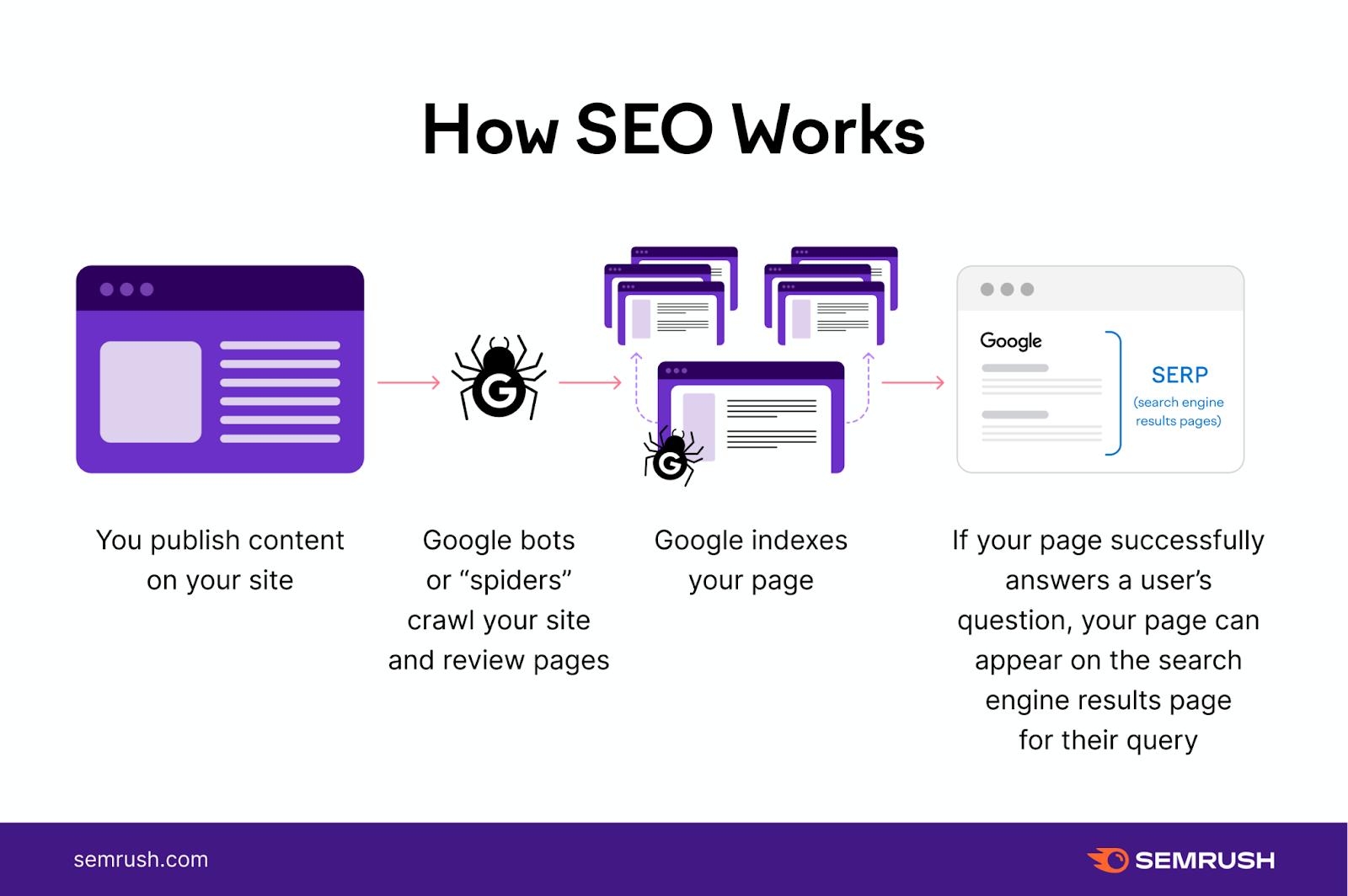
Technical SEO focuses on how search engines access, crawl and understand your website. An e-commerce site may have thousands of URLs, so small technical problems can affect many pages. An audit may look at:
- Site speed and performance, particularly on mobile devices
- Secure browsing and HTTPS implementation
- XML sitemaps and robots.txt settings
- Broken links, redirects and duplicate URLs
- Canonical tags and indexation controls
- Structured data for products, prices, availability and reviews
Faceted navigation—filters for size, colour, price or other attributes—needs particular care. It can create many similar URLs, some of which may offer little value in search results. A technical SEO specialist can help decide which pages should be crawlable and indexable.
Keyword research and search intent
Keyword research identifies the terms people use when searching for products and information. For an online shop, this may include broad category searches, specific product names, model numbers and questions about how to choose or use an item.
Understanding search intent is just as important as finding search terms. Someone searching for “waterproof walking boots” may want to compare products, while a person searching for a particular model may already know what they want. SEO planning can match relevant searches to suitable category, product or advice pages.
Product and category page optimisation
Category and product pages are central to an e-commerce website. SEO services can help improve their titles, headings, URLs, internal links and on-page copy. Product descriptions should be accurate, distinctive and useful—not copied from a manufacturer’s catalogue or repeated across multiple pages.
Good page content answers shoppers’ questions. Depending on the product, that could mean including specifications, sizing information, materials, compatibility details, delivery information or care instructions. Clear photography and helpful product information can also make it easier for visitors to make a decision.
Content strategy
Not every customer is ready to purchase immediately. Guides, comparisons, buying advice and frequently asked questions can help people research their options while building useful pathways to relevant products.
For example, a shop selling kitchen equipment might publish a guide to choosing a coffee grinder. The article should offer genuine advice and link naturally to suitable products or categories. Content is most effective when it serves customers first rather than existing solely to include search terms.
Internal linking and website structure
A clear website structure helps both visitors and search engines navigate an online shop. Important categories should be easy to reach from the main navigation, and related products or guides can be linked where they are genuinely useful.
Well-planned internal links help distribute attention across the site and make it easier for shoppers to discover related items. They should use descriptive, natural wording and support a logical browsing experience.
Why e-commerce SEO needs specialist attention
Online shops have challenges that may be less common on smaller websites. Products can go out of stock, ranges can change, and filters can generate a large number of URLs. Seasonal promotions and product variations can also affect how pages are managed.
An e-commerce SEO provider should understand these issues and work with the business to create practical processes. For example, when a product is discontinued, the right approach may depend on whether it has a replacement, whether it is likely to return, and whether its page has useful links or customer information.
How to choose an e-commerce SEO provider
When comparing SEO services, look for a provider that takes time to understand your products, customers, website platform and commercial priorities. A useful proposal should explain the work being recommended and how progress will be assessed.
Consider asking prospective providers:
- What will the initial audit cover?
- How will recommendations be prioritised?
- What experience do you have with our e-commerce platform or sector?
- How will you report on work completed and results?
- How will you work with our developers, content team or merchandising staff?
Be cautious of guaranteed rankings or claims of instant results. SEO is an ongoing process, and outcomes depend on factors such as competition, site quality, product demand and the resources available to implement changes.
Measuring the results of e-commerce SEO
Rankings can be useful to monitor, but they are only one part of the picture. A broader assessment may include organic traffic, visibility for relevant searches, product and category page performance, conversions and revenue from organic search.
Measurement should account for the full customer journey where possible. A shopper may first discover a brand through an informative article and return later through another channel to make a purchase. Reviewing performance alongside wider business data can provide a more balanced view of SEO’s contribution.
Building a sustainable SEO approach
Effective e-commerce SEO is not a one-off task. Search engines, customer expectations and product ranges change over time, so websites need regular attention. Technical checks, useful content, accurate product information and a straightforward shopping experience all play a part.
With a clear strategy and consistent improvements, SEO can help an e-commerce website attract more relevant visitors and make it easier for them to find the products they need. The strongest approach is built around long-term usefulness—not shortcuts—and connects search visibility with a better experience for customers.
Essential SEO Services for E-commerce Websites: FAQs on Optimisation, Costs, and Measuring Success
- What SEO services do e-commerce websites need?
- How can SEO help increase traffic and sales for an online shop?
- How much do SEO services for e-commerce websites cost?
- How long does it take to see results from e-commerce SEO?
- Can an SEO agency optimise product and category pages?
- How do you measure the success of e-commerce SEO?
What SEO services do e-commerce websites need?
E-commerce websites typically need a combination of technical SEO, keyword research, product and category page optimisation, and a clear internal linking structure. Technical work can address site speed, mobile usability, crawling, duplicate URLs and structured data, while content improvements help product pages provide accurate, useful information. SEO services may also include content planning, image optimisation and ongoing performance monitoring. The right mix depends on the website’s size, platform, products and business goals.
How can SEO help increase traffic and sales for an online shop?
SEO can help an online shop attract more relevant visitors by improving its visibility in search results for products, categories and questions its customers are searching for. By optimising product and category pages, fixing technical issues and publishing useful content, an online shop can make it easier for search engines and shoppers to find and understand its offerings. This targeted organic traffic may lead to more product views, enquiries and purchases, although results depend on factors such as competition, website quality and customer demand.
How much do SEO services for e-commerce websites cost?
The cost of SEO services for e-commerce websites varies depending on the size of your store, the competitiveness of your market and the work required. A smaller shop may need a focused technical audit and ongoing optimisation, while a large catalogue could require more extensive technical support, product-page improvements and content creation. Providers may charge a monthly retainer, a project fee or an hourly rate, so ask for a clear breakdown of the work, expected timescales and reporting. Be wary of guaranteed rankings: a reputable SEO service will set realistic expectations and explain how progress will be measured.
How long does it take to see results from e-commerce SEO?
Results from e-commerce SEO usually take several months to become noticeable, although the timeframe varies according to your website’s condition, competition, industry and the changes implemented. Technical fixes may improve crawling or indexing sooner, while stronger organic rankings and sales often take longer to build. SEO is an ongoing process, so it’s best to track progress over time using measures such as relevant organic traffic, product-page visibility, conversions and revenue rather than expecting instant results.
Can an SEO agency optimise product and category pages?
Yes. An SEO agency can optimise product and category pages by improving page titles, headings, descriptions, URLs, internal links and relevant structured data. It can also help make product information more useful and distinctive, and ensure category pages are easy for both shoppers and search engines to understand. The aim is to improve visibility for relevant searches while making it easier for customers to compare products and find what they need.
How do you measure the success of e-commerce SEO?
The success of e-commerce SEO is measured using a mix of search visibility and business results. Useful metrics include organic traffic, rankings for relevant searches, clicks to product and category pages, conversion rates and revenue from organic search. It’s also important to monitor changes over time and consider factors such as seasonality, stock availability and other marketing activity. Rankings alone do not tell the whole story; the real aim is to attract relevant visitors and help more of them become customers.





Leave a Comment