

Mastering SEO: How to Do It Right
How to Do SEO: A Comprehensive Guide
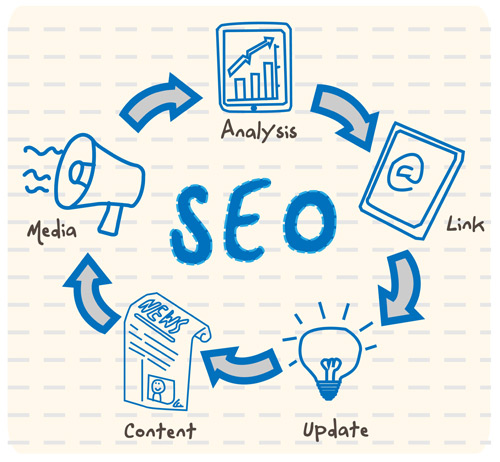
Search Engine Optimization (SEO) is a crucial aspect of digital marketing that can significantly impact the online visibility and success of a website. By implementing effective SEO strategies, businesses can improve their search engine rankings and attract more organic traffic. Here is a comprehensive guide on how to do SEO:
Keyword Research
Start by conducting thorough keyword research to identify relevant keywords and phrases that your target audience is searching for. Use tools like Google Keyword Planner or SEMrush to discover high-volume, low-competition keywords that you can target in your content.
On-Page Optimization
Optimize your website’s on-page elements, including meta titles, meta descriptions, headings, and image alt text, with your target keywords. Ensure that your content is well-structured, easy to read, and provides value to users.
Quality Content Creation
Create high-quality, engaging content that is relevant to your target audience and incorporates your target keywords naturally. Regularly update your website with fresh content to keep both users and search engines engaged.
Link Building
Build high-quality backlinks from reputable websites in your industry to improve your website’s authority and credibility. Focus on acquiring natural links through guest blogging, outreach campaigns, and creating shareable content.
Technical SEO
Optimize the technical aspects of your website, including site speed, mobile-friendliness, URL structure, and XML sitemap. Fix any crawl errors and ensure that search engines can easily index and crawl your site.
Monitor Performance
Track the performance of your SEO efforts using tools like Google Analytics and Google Search Console. Monitor key metrics such as organic traffic, keyword rankings, bounce rate, and conversion rates to identify areas for improvement.
In conclusion, mastering the art of SEO requires a combination of technical expertise, strategic planning, and continuous monitoring. By following these essential steps and staying updated on the latest trends in the industry, you can enhance your website’s visibility and drive sustainable organic traffic over time.
Essential SEO FAQs: A Guide to Optimisation and Success
- What is SEO and why is it important?
- How do I conduct keyword research for SEO?
- What are the best on-page optimization strategies for SEO?
- How can I create high-quality content for SEO?
- What is link building and why is it important for SEO?
- What technical aspects of my website should I optimize for SEO?
- How can I measure the success of my SEO efforts?
What is SEO and why is it important?
Search Engine Optimization (SEO) is the practice of enhancing a website’s visibility in search engine results pages through organic, non-paid methods. It involves strategic techniques such as keyword research, on-page optimization, link building, and technical improvements to attract more relevant traffic to a website. SEO is crucial for businesses as it helps improve their online presence, increase website traffic, and reach a wider audience. By ranking higher in search engine results for relevant keywords, businesses can gain credibility, trust from users, and ultimately drive conversions and revenue. In today’s competitive digital landscape, mastering SEO is essential for businesses looking to establish a strong online presence and stay ahead of the competition.
How do I conduct keyword research for SEO?
When it comes to conducting keyword research for SEO, the process involves delving into the intricacies of identifying and selecting relevant keywords that align with your target audience’s search intent. Start by utilising keyword research tools such as Google Keyword Planner, SEMrush, or Ahrefs to unearth high-volume keywords with moderate to low competition levels. It is imperative to consider the search volume, competition level, and relevance of each keyword to your content. Additionally, delve into long-tail keywords and semantic variations to capture a broader range of search queries. By conducting thorough keyword research, you can strategically incorporate these keywords into your content and enhance your website’s visibility in search engine results pages.
What are the best on-page optimization strategies for SEO?
When it comes to enhancing on-page optimization for SEO, several key strategies can significantly impact a website’s search engine rankings. Firstly, focusing on keyword placement in meta titles, meta descriptions, headings, and content body is essential to signal relevance to search engines. Structuring content with user-friendly formatting, including bullet points and subheadings, can enhance readability and user experience. Additionally, optimizing images with descriptive alt text and reducing page load times through image compression can improve overall site performance. Incorporating internal links to relevant pages within the website can also boost SEO by establishing a logical site structure and guiding visitors to valuable content. By implementing these best practices for on-page optimization, websites can enhance their visibility in search engine results and attract more organic traffic.
How can I create high-quality content for SEO?
Creating high-quality content for SEO is a fundamental aspect of any successful digital marketing strategy. To craft content that resonates with both users and search engines, it is essential to start by conducting thorough keyword research to identify relevant topics and keywords. Focus on providing valuable and engaging information that addresses the needs and interests of your target audience. Incorporate your target keywords naturally throughout the content while ensuring readability and coherence. Additionally, aim to create original, well-researched, and authoritative content that sets you apart as a credible source in your industry. Regularly updating your content and encouraging user engagement through comments, shares, and backlinks can further enhance its SEO value. By prioritising quality over quantity and consistently delivering valuable content, you can improve your website’s search engine rankings and attract organic traffic effectively.
What is link building and why is it important for SEO?
Link building is a fundamental aspect of SEO that involves acquiring hyperlinks from external websites to your own site. These links serve as a vote of confidence from other sites, indicating to search engines that your content is valuable and worthy of reference. Link building plays a crucial role in SEO as it helps improve your website’s authority, credibility, and visibility in search engine results. By earning high-quality backlinks from reputable sources, you can enhance your site’s ranking potential and attract more organic traffic. A strategic link building strategy is essential for establishing a strong online presence and boosting your website’s overall SEO performance.
What technical aspects of my website should I optimize for SEO?
When considering the technical aspects of your website that should be optimised for SEO, several key factors come into play. Firstly, ensuring that your website is mobile-friendly is crucial, as search engines like Google prioritise mobile-responsive sites in their rankings. Additionally, optimising your site’s loading speed can significantly impact user experience and search engine visibility. Paying attention to URL structure, meta tags, heading tags, and image optimisation are also vital for enhancing SEO performance. Implementing an XML sitemap and fixing any crawl errors can further improve your site’s indexability and visibility in search results. By focusing on these technical elements and keeping abreast of best practices in website optimisation, you can enhance your SEO efforts and boost your online presence effectively.
How can I measure the success of my SEO efforts?
Measuring the success of your SEO efforts is essential to gauge the effectiveness of your strategies and ensure that you are achieving your desired outcomes. Key performance indicators (KPIs) such as organic traffic, keyword rankings, conversion rates, and engagement metrics can provide valuable insights into the impact of your SEO initiatives. By regularly monitoring these metrics using tools like Google Analytics and Google Search Console, you can track progress over time, identify areas for improvement, and make data-driven decisions to optimise your SEO campaigns for greater success.






Leave a Comment